What the Evidence Says About Cold Therapy After Surgery and Exercise

Cold therapy describes several different interventions. A local cold application after knee replacement, a circulating-water wrap and an ice bath after training should be evaluated in their own settings. Evidence for one does not automatically answer the questions raised by another.
Before asking whether cold therapy works, identify the person, the method and the outcome.
What knee-replacement research tells us
The Cochrane review of cold therapy after total knee replacement found low-certainty evidence of possible short-term improvements in pain and knee range of motion. Important longer-term and functional outcomes remained uncertain.
That supports a specific discussion about symptom management within a postoperative plan. It does not establish that every cold device produces identical results or that every user will return to activity sooner.
For a patient, the practical questions are what role cold has in the prescribed plan, which product is appropriate and how the treating team wants it used. For a buyer, the next question is whether evidence for a proposed device claim actually matches the operation and outcome being discussed.
Exercise recovery raises different questions
An athlete may be considering cold-water immersion between events, after a hard training session or during a strength-building block. Those are different decisions even before a particular temperature or product enters the discussion.
The research on repeated immediate post-lifting immersion and muscle growth concerns training adaptation. It should not be used to tell a surgical patient to abandon prescribed local cold therapy.
Equally, evidence from postoperative care should not be used as a blanket promise about sport performance. The similarity of the word “cold” does not make the interventions interchangeable.

Understand the delivery method
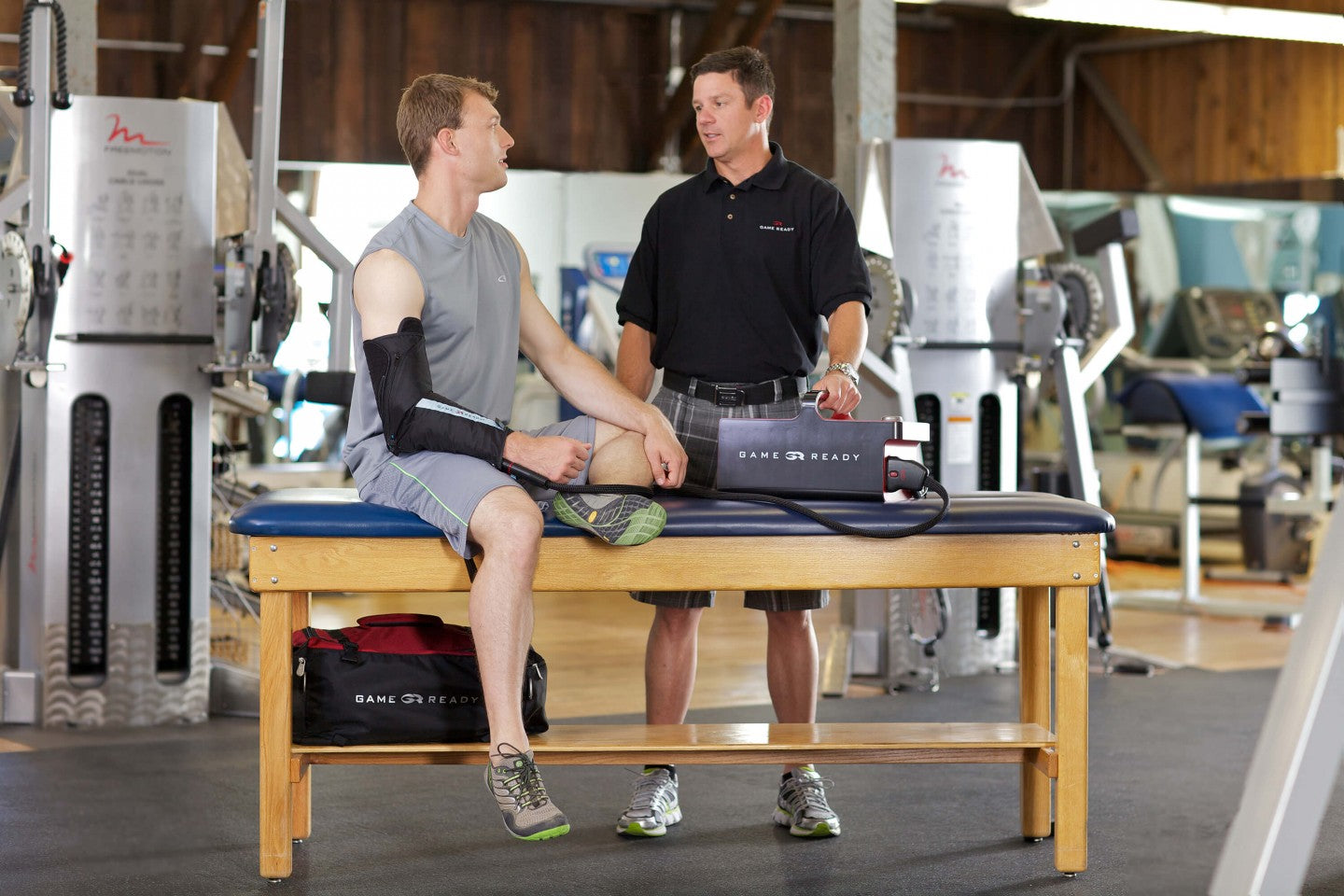
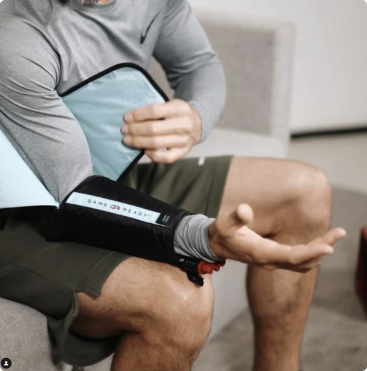
A prepared cold pack or sleeve contains a cooling material that changes temperature during use. A circulating-water system moves cooled water through a connected wrap. Some systems also apply pneumatic compression.
These formats introduce practical differences in preparation, coverage, power, supplies and controls. At HealFaster Canada, Game Ready and Freeze Sleeve illustrate different product formats in our portfolio. Their names should lead to a clearer explanation of those differences, rather than a claim that they serve the same role for every person.
The manufacturer's Game Ready operating resources and Freeze Sleeve instructions are useful starting points for understanding the actual products. Clinical suitability and directions remain separate from that operating description.
Compare the benefit you are actually seeking
If the question concerns pain, look for pain outcomes. If it concerns function, look for a relevant functional measure and follow-up period. If the proposed advantage is easier preparation, examine that task in a demonstration.
A product can have a useful practical advantage while the comparative clinical outcome remains uncertain. Buyers deserve to hear both parts clearly.
Be cautious with a claim such as “colder means faster recovery.” A temperature specification describes one part of the delivery system. It does not, by itself, establish the clinical result a person hopes to achieve.
Use the actual instructions
Cold exposure has practical safety considerations. The FDA's guidance on water-circulating cold devices describes risks associated with improper use and the importance of following professional and manufacturer directions. It is US safety information, not a statement of Canadian product authorisation.
Ask the treating professional and supplier to make the appropriate routine and operating instructions understandable before use. Do not borrow a duration or setup rule from a different product format.
A useful cold-therapy discussion ends with a specific explanation: why this method is being considered, what outcome it is intended to support, what evidence is relevant and how the actual product fits the person's plan.