What Changes When Compression Is Added to Cold Therapy

Adding compression changes how a cold-therapy system delivers treatment. It can introduce an active pressure component, additional controls and different fitting requirements. Whether those differences improve a particular clinical outcome requires relevant comparative evidence.
For a buyer, “cold plus compression” should open a comparison rather than end one.
Describe what each option does
A cold pack or sleeve applies a prepared cooling material. A circulating system moves cooled water through a wrap. A combined system may add controlled pneumatic pressure.
Those descriptions help identify what the user will prepare and operate. They also prevent a misleading comparison between products that share the word “compression” while applying it in different ways.
Ask which component is adjustable, what the controls actually change and which accessories are required. The answer should refer to the exact supplied model and its instructions.
Keep the study comparison attached to the finding
The Cochrane knee-replacement review included different cold protocols and combinations. Its findings should not be read as proof that every combined system outperforms every simpler cold option.
A stronger device-specific claim needs evidence for that device or a clearly relevant comparison. The procedure, rehabilitation context, outcome and follow-up time matter.
This distinction leaves room for a confident product explanation. A supplier can demonstrate how a system operates and identify the evidence behind a particular claim without presenting a whole category as settled science.

Compare preparation and fitting
Put the options into the same setting. Where will the person use them? Who will prepare the supplies? Can the intended user reach the wrap and connect the system? What happens when the session ends?
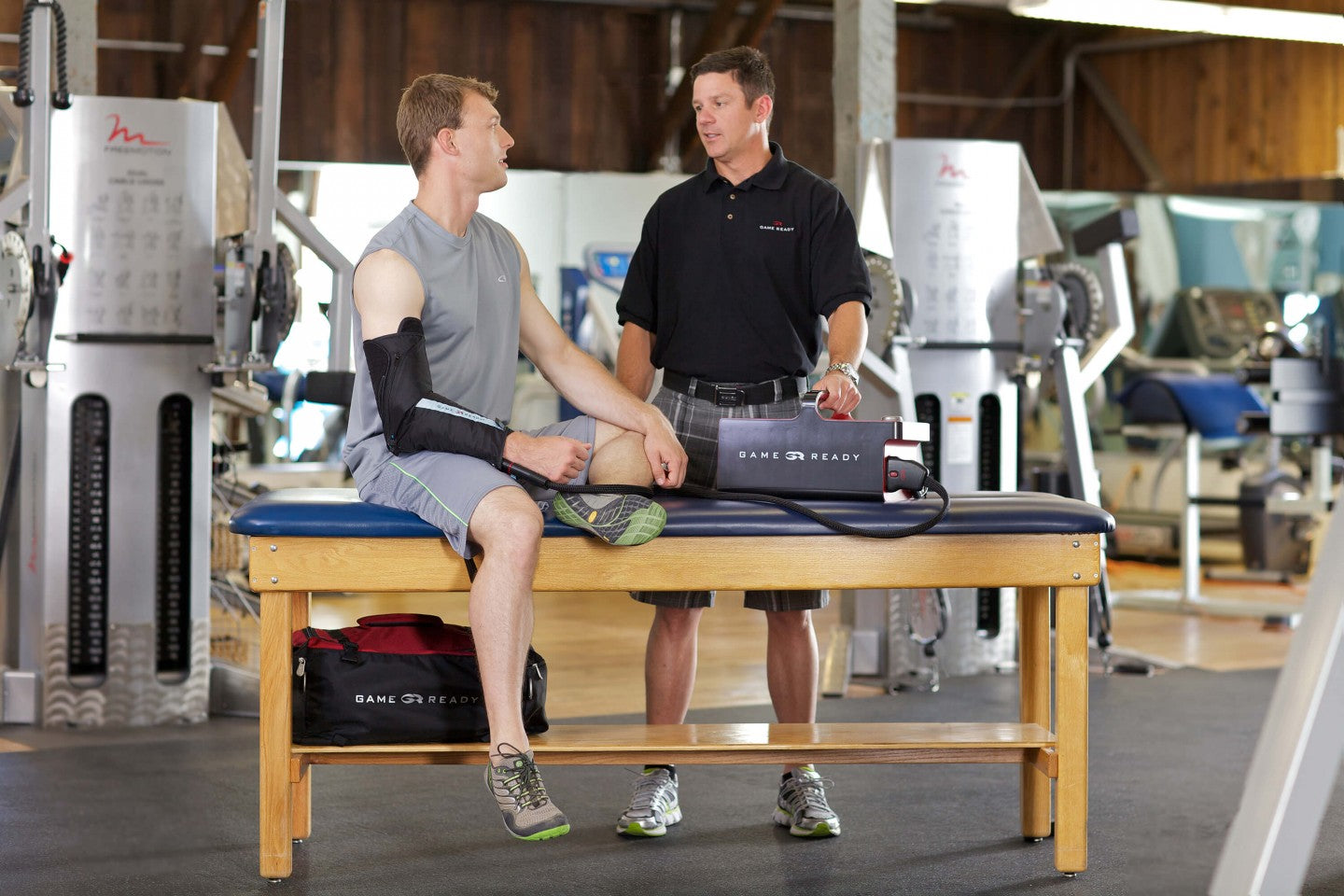
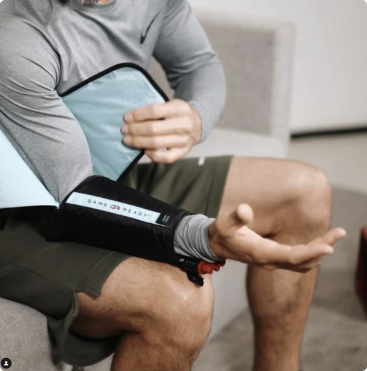
Game Ready is a cold-and-compression brand represented by HealFaster Canada. Its model and wrap resources show why the control unit and the accessory both deserve attention. A discussion of the unit alone may leave fitting or compatibility unresolved.
If the product is intended for home use, include the person helping at home where appropriate. In a clinic, include the staff responsible for setup, cleaning and storage. The important comparison is the one that can be carried out in the actual environment.
Separate a workflow advantage from an outcome claim
Imagine two clinically appropriate options. One may require a preparation process the household can manage more easily. Another may offer a control that the treating professional considers useful for the intended routine.
Those differences can affect the purchase decision. Describe them through the task they change. An easier preparation process is useful information even when it does not establish faster tissue healing.
The same applies to preference. A user may prefer a particular fit or experience. That preference deserves consideration alongside evidence and cost; it should not be relabelled as proof of universal superiority.
Ask for a complete comparison
A useful written comparison covers the intended use, delivery method, controls, required supplies, fitting demands, total cost and support arrangement. It should also identify what remains uncertain.
For a patient, the selected approach still needs to fit the prescribed plan. For a clinic, the decision also needs to fit staffing and implementation. The supplier's role is to make those practical and evidence questions easier to assess.
The strongest case for a combined system explains its specific contribution to the intended use. “More features” becomes meaningful when the buyer can see what those features change.