What Cold Therapy Temperatures Tell You About a Device

A cold-therapy temperature is a measurement of a particular part of the system under particular conditions. A setting, fluid temperature and skin temperature should not be treated as interchangeable. A lower number does not, by itself, establish a better recovery outcome.
Before comparing temperatures, ask where the measurement was taken.
Identify the quantity
One manufacturer may describe a selectable setting. Another may report water temperature or a value measured in a test. Those numbers can look comparable while describing different things.
Ask what was measured, where, when and under which conditions. If a comparison uses a thermal image, ask how the products were applied and what the image is intended to demonstrate.
The answer helps you understand the equipment. It should not require the buyer to infer a clinical effect from the smallest displayed number.
Explain the delivery method
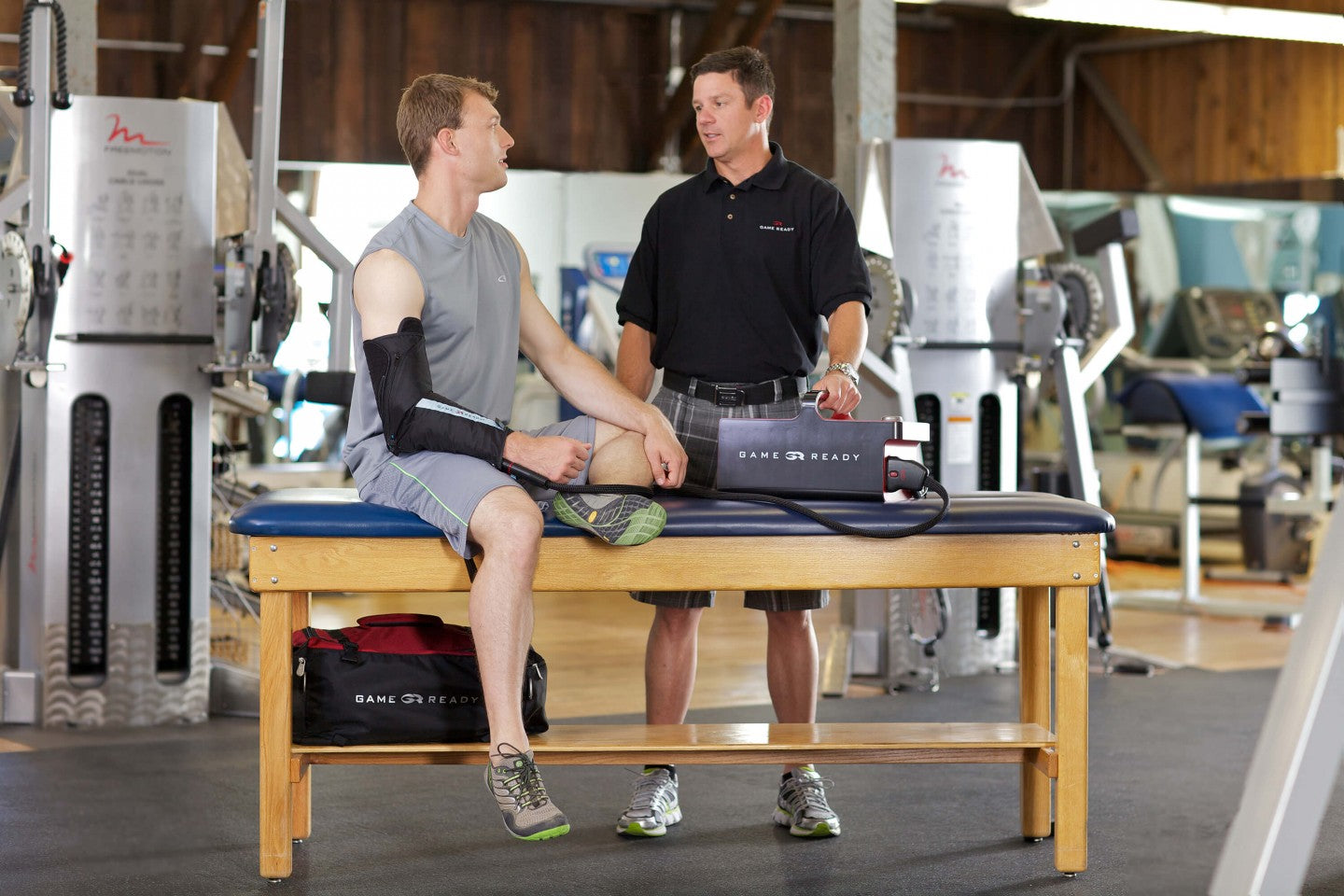
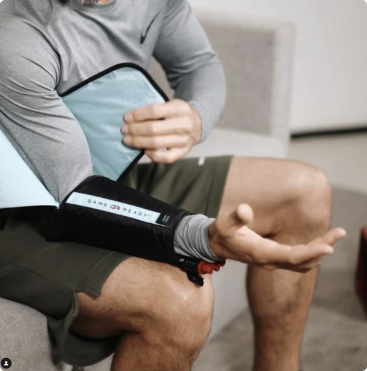
A prepared cold pack changes temperature during use. A circulating system moves cooled water through a connected wrap. Coverage, fitting and the required preparation can differ between formats.
At HealFaster Canada, Game Ready and Freeze Sleeve are examples of different product formats. Their operating and use instructions should guide the discussion of the actual products.
Do not borrow an exposure rule from one format and apply it to another merely because both are called cold therapy.

Keep safe use beside the specification
The FDA's water-circulating cold-device guidance identifies risks from improper use and highlights factors such as circulation, sensation and monitoring. It is a US safety reference, not an assessment of a product's Canadian regulatory status.
For a patient, the appropriate exposure and clinical precautions need to be explained through the treating team and the exact product instructions. A general comparison chart cannot determine them.
The supplier can clarify controls and preparation. If the prescribed directions or a product instruction are unclear, resolve the question before increasing intensity or duration.
Ask which outcome the temperature is meant to support
A lower setting may be a technical capability worth describing. To support a claim about pain, function or return to activity, the relevant outcome evidence is also needed.
Likewise, a comparison of skin-temperature readings does not automatically establish every claim about tissue recovery. Ask the seller to explain the connection and the limits of the finding.
This helps distinguish a useful engineering comparison from a broader promise that the measurement does not answer.
Compare the whole routine
Include the actual wrap, controls, supplies and demands of preparation. Consider how the intended user will manage the product in the place it will be used.
For a clinic, a control feature may affect how an appropriate routine is delivered. For a home user, fitting and access to help may be equally important practical questions.
The temperature specification belongs in that fuller description. It becomes useful when the reader knows what the number means and why it matters for the proposed use. The purchase decision should follow that explanation, not a race to the coldest headline.