Why Movement Matters When Discussing Swelling After Orthopaedic Surgery

Postoperative swelling deserves attention alongside movement, symptoms and the individual care plan. A change in appearance is one observation; it does not describe every aspect of function or determine the next rehabilitation step.
A useful follow-up conversation connects what you notice with the activity it affects.
Give the observation some context
Instead of reporting only that a joint looks more or less swollen, describe when the change was noticed and what was happening around it. Explain which prescribed or ordinary activity has become easier or more difficult.
This gives the treating team more useful information than a photograph without context. It also helps keep separate changes separate: appearance, discomfort, movement and confidence may not all change together.
The clinician can decide which observations are relevant and whether assessment or a change in care is needed. A general article cannot make that decision from the size of a joint alone.
Why appearance and function belong in the same discussion
Research has examined a connection between joint swelling and muscle function. In an experimental study of knee effusion in healthy participants, changes in quadriceps activation were associated with changes in strength and gait mechanics.
That helps explain why swelling can matter beyond appearance. It is indirect evidence for postoperative care, however, and does not prove that removing visible swelling will automatically restore strength in every surgical patient.
The practical implication is to ask about the whole functional picture. What is the person trying to do? What has changed? How does the team want progress assessed?

Prepare a useful update
Bring the date or approximate timing of the change, the activity affected and the current care instructions to the conversation. If the team has requested a specific measurement or record, use that method rather than creating a new score from an online article.
For example, “The knee looks less swollen, but I am finding the prescribed movement harder” describes two observations worth discussing. Neither should be erased to make the recovery story sound simpler.
The aim is to support clinical assessment, not to diagnose the cause yourself. New, unexpected or concerning symptoms should follow the clinical or urgent-care route in the discharge instructions.
Give symptom-management equipment an accurate role
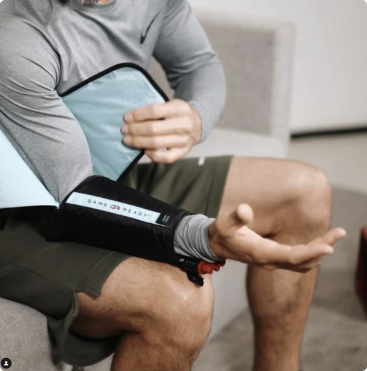
Cold and compression can be part of a postoperative discussion when appropriate. The Cochrane knee-replacement evidence includes possible short-term swelling benefits while leaving important functional outcomes uncertain.
That is a reason to explain the intended symptom benefit and its limits. It is not a reason to dismiss a benefit the patient values, nor to promise that a device determines the pace of rehabilitation.
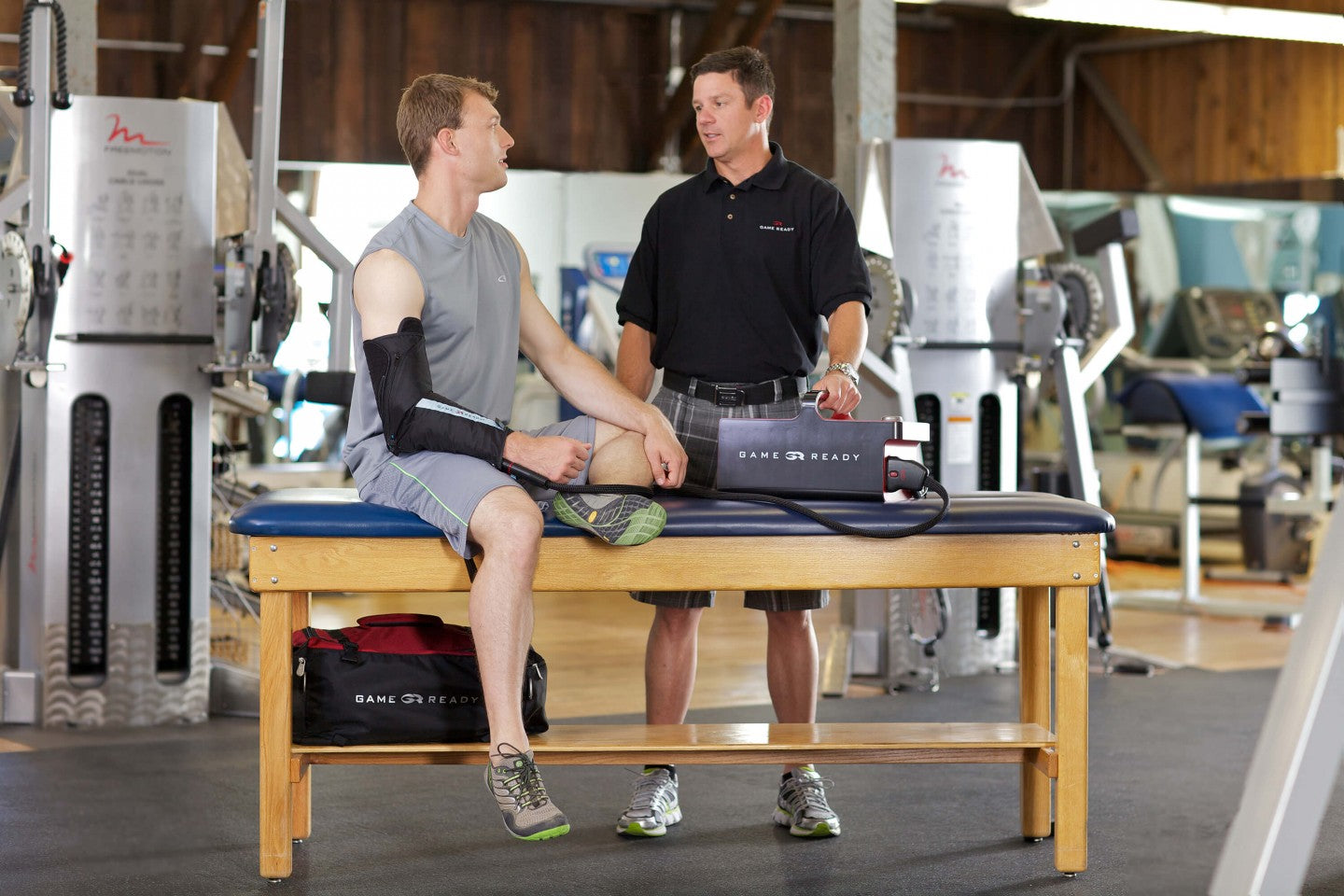
HealFaster Canada represents Game Ready, so our commercial relationship belongs in any product discussion. Equipment education should explain operation within the plan while the treating professionals assess symptoms and progression.
Keep the next question specific
A helpful question at follow-up is: “How are you assessing the relationship between my symptoms and the activity I am working towards?” That invites the team to connect the observations to the person's actual goal.
Visible improvement can be encouraging. It becomes more useful when the patient understands what it does—and does not—tell the team about the next stage.