What Better Recovery Should Mean in Canada

Better recovery should mean something a person can recognise in daily life: a more manageable symptom, progress towards an important activity, or a clearer way to carry out the next step. A recovery company earns trust by explaining which of those contributions its products and services can make.
Our name, HealFaster Canada, carries an expectation. I take that seriously. Someone preparing for surgery and someone training for a competition may both want to recover faster, but they are asking different questions. A useful conversation starts by finding out what each person needs to get back to.
Give the outcome a name
A patient might want to manage the stairs at home. An athlete might want to arrive at the next training session feeling less sore. A clinic might want patients to understand how to use equipment after leaving the building.
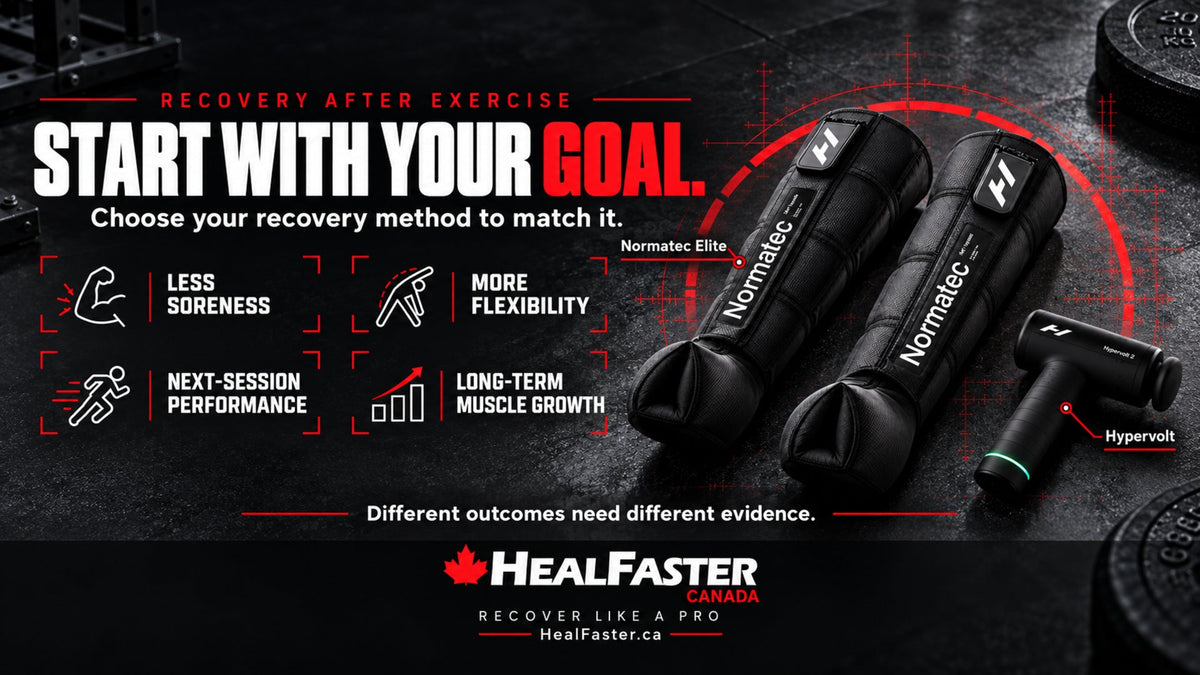
Each goal calls for different evidence and a different kind of support. A study about soreness cannot answer every question about strength. A successful equipment delivery cannot tell us whether someone is ready to return to work. Those distinctions help us describe value more accurately.
This is the standard I want our recommendations to meet: the person should be able to explain what the product is for, what using it involves and how it fits the wider plan. If the explanation depends entirely on a brand name or an athlete photograph, we have more work to do.
Give Recover Like a Pro a practical meaning
Our mission to help Canadians Recover Like a Pro should describe the quality of the decision and support around a product. It should never depend on somebody having a professional athlete's budget or staff. I want a person buying one item or arranging a short rental to receive an explanation that takes their actual situation seriously.
For me, that means asking a supplier to account for the whole recommendation. What is the expected contribution? What supports it? What will the person need to make it work? A recovery business should be willing to answer those questions before asking a customer to be impressed by its technology.

Make the practical contribution visible
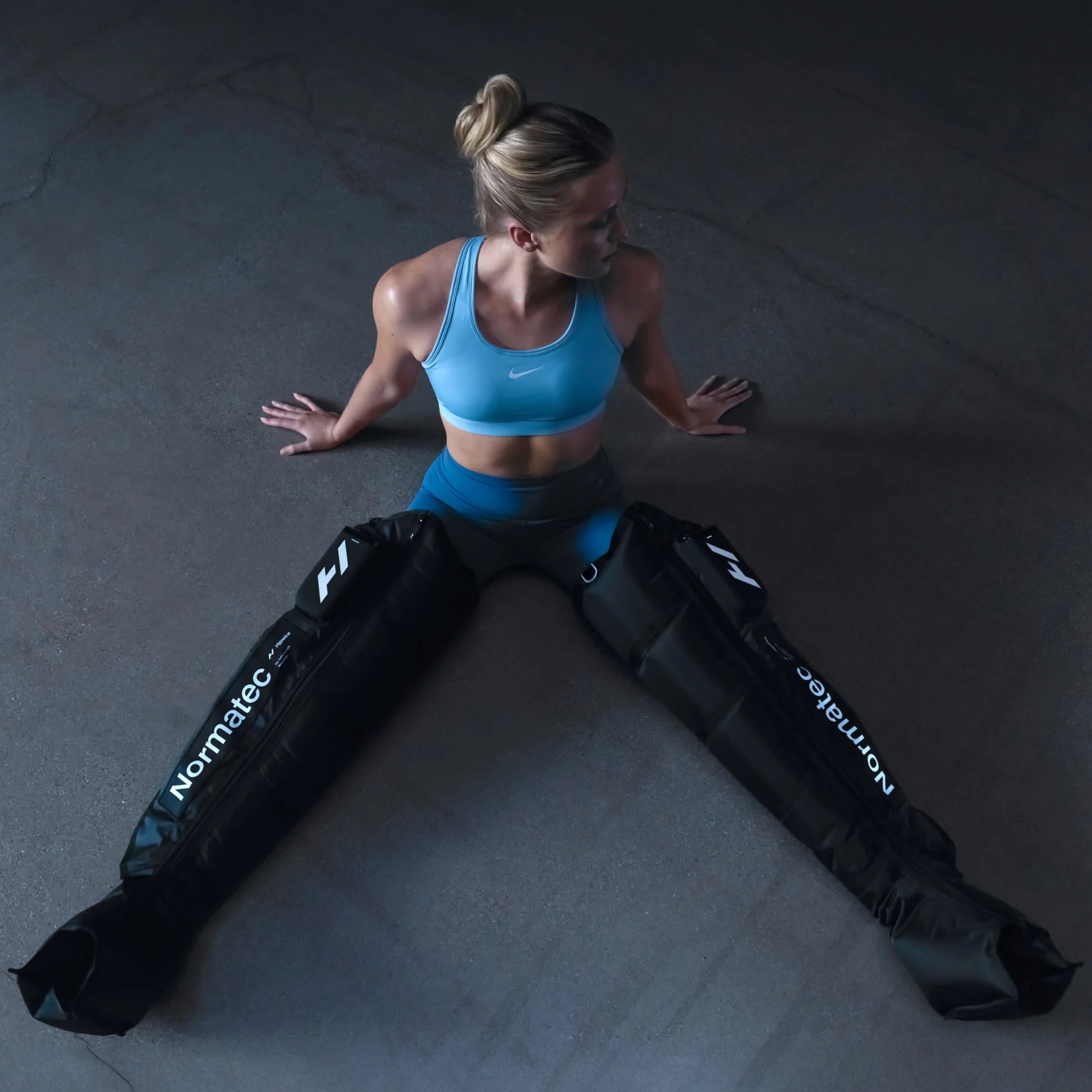
Recovery equipment brings physical tasks into the person's day. A wrap has to fit. Instructions have to be found. Someone may need to prepare supplies, reach a connector or arrange a return.
Those details are part of the purchase. They matter especially when a person is dealing with surgery, limited movement or a household already stretched for time. A technically capable device can still be difficult to use if the practical arrangement has not been thought through.
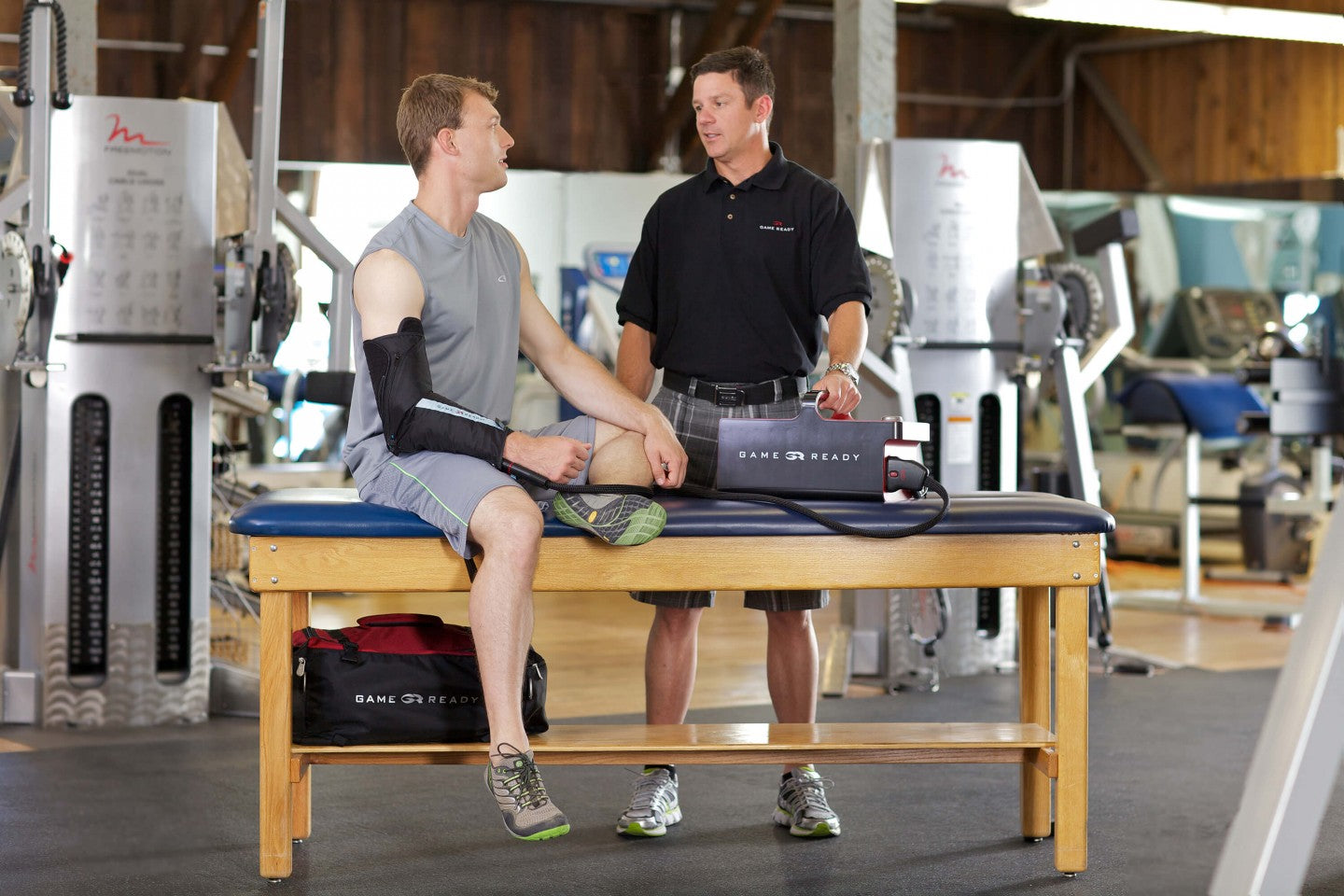
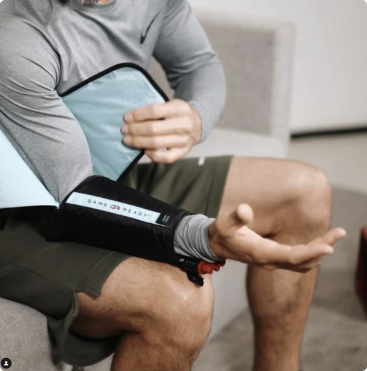
At HealFaster Canada, our work includes Game Ready rentals and access to recovery equipment for different settings. That gives us a concrete responsibility: help people understand the equipment and the arrangements around it. Treatment decisions and rehabilitation progression belong with the appropriate clinical team.
Explain why a product deserves consideration
There is room for enthusiasm about recovery technology. Good engineering can make a task easier, offer a different delivery method or give a professional more control over an intervention. Those are specific contributions worth explaining.
A strong explanation follows the benefit through to the person using the product. If portability is the advantage, where will it be used? If a feature simplifies setup, which task becomes easier? If the claim concerns a clinical outcome, what research supports that outcome in a relevant population?
Answering those questions makes a recommendation more persuasive because the reader can assess its reasoning. It also leaves space for a simpler option when that option fits better.
Judge access from the person's address
Canada adds practical questions of geography, delivery, language and local support. Being able to order a product is the beginning of access. The person also needs to know when it can arrive, how to use it and where a question goes afterwards.
For a buyer, a useful final check is to describe an ordinary day with the proposed equipment. Who prepares it? What help is needed? What happens if something is unclear? Which part of the day is expected to improve?
That is what I want better recovery to mean in our work: a contribution the person can understand and use, supported by an explanation that remains credible when someone asks a difficult question.