How Static and Sequential Compression Differ

Static compression generally provides sustained external pressure, while sequential pneumatic compression changes pressure across compartments according to a device's operating pattern. The distinction explains how pressure is delivered. It does not establish that the two approaches have the same indications or that one is universally better.
“Compression” is a broad category label. The useful comparison starts with the actual intervention.
Identify the format
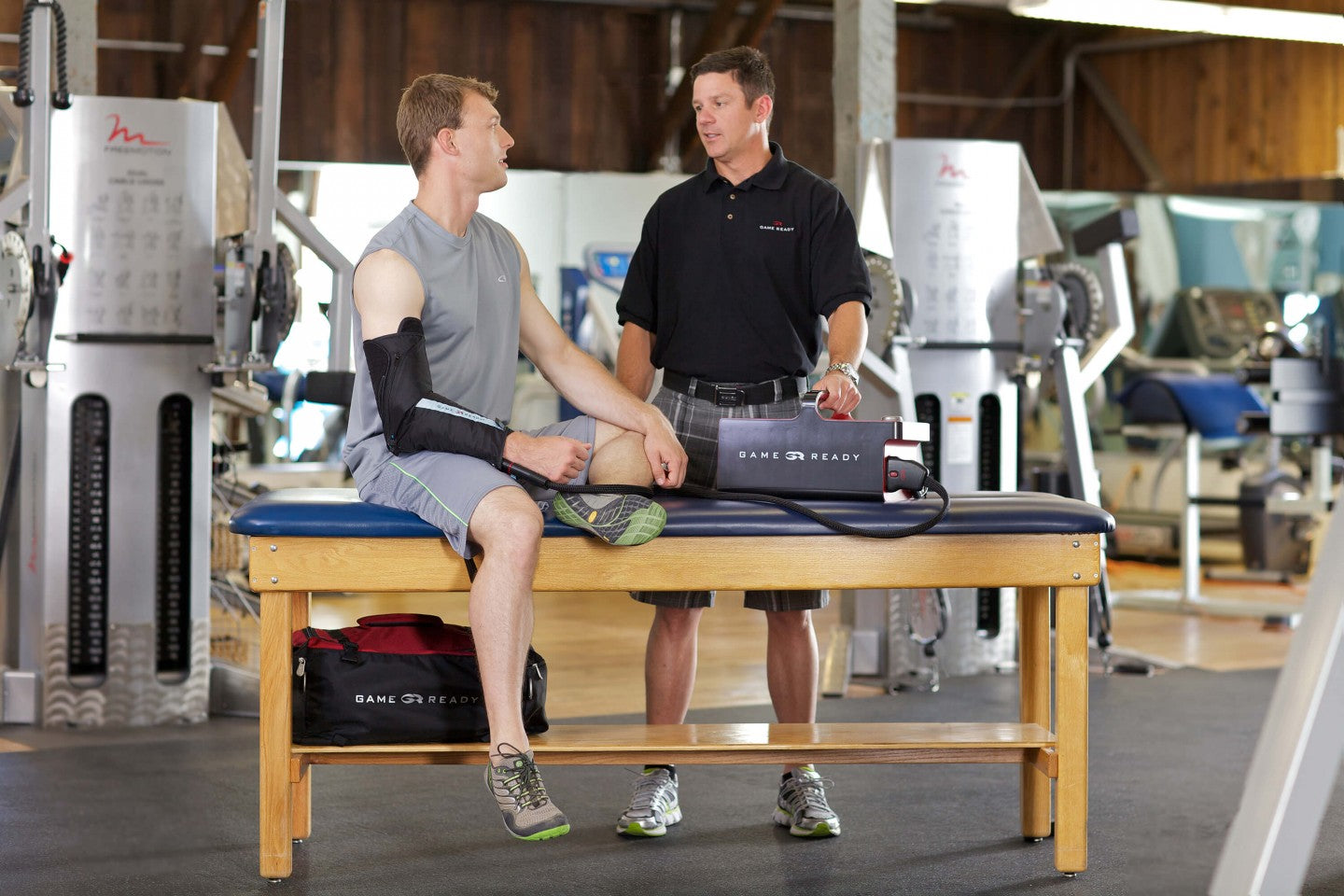
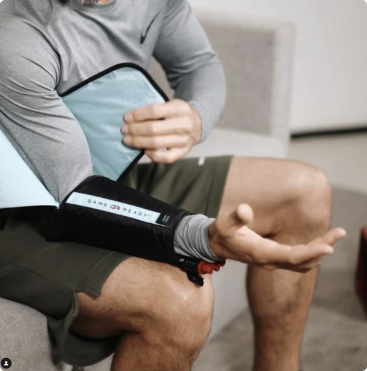
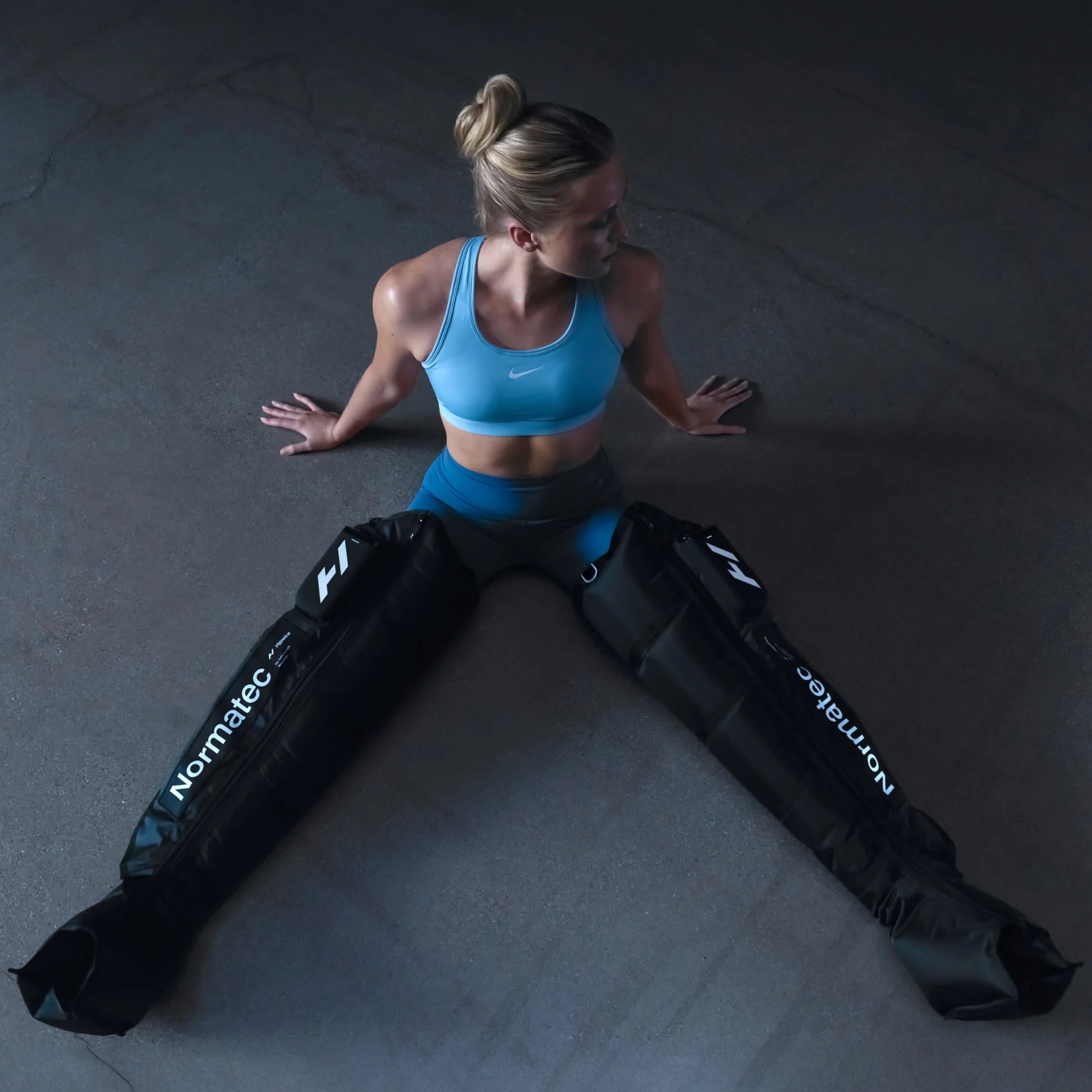
A garment and a powered system introduce different routines. One is worn as a garment under its instructions; the other involves an equipment session, with controls, a power source and the relevant accessories.
Within those groups, products can differ substantially. A diagram of compartments does not describe every system, and a garment described as static does not become a sequential pneumatic system because it feels tight.
Ask the supplier to explain the pattern in the manufacturer's own operating terms. Which parts apply pressure? How does that pressure change? What can the user adjust?
Keep the purpose beside the mechanism
A garment prescribed for a medical indication raises a different question from an optional sports-recovery boot session. The right comparison depends on why compression is being considered and which professional guidance applies.
That distinction should remain visible when a product is marketed to athletes. A category description is not enough to justify substituting one intervention for another.
For exercise recovery, a systematic review of pneumatic compression found variable evidence across outcomes. A proposed benefit should be evaluated through research relevant to the actual purpose, rather than inferred from the pressure pattern alone.

Compare what ownership requires
For a garment, fitting, putting it on and taking it off may be central practical questions. For a powered system, the discussion also includes controls, charging or power, preparation and storage.
Consider where it will be used and what help is available. A person may be able to manage one format independently and find another difficult. A clinic may have different requirements from a home buyer because equipment is shared and staff time is involved.
These are real differences in use. They deserve a place beside clinical evidence, rather than being hidden by a single score that declares a category winner.
Ask which model the description refers to
HealFaster Canada represents Normatec. When discussing a Normatec system, use the information for that model, including its garment design and controls.
Words such as dynamic or advanced can be useful only when they are explained. Ask what the term changes in operation and why that matters for the intended use.
A broad account of pneumatic compression can help you understand the category. The manufacturer's current instructions are the reference for the product's specific operating sequence.
Leave with a useful distinction
After a comparison, you should be able to describe both the purpose and the pressure method. If one remains unclear, the conversation is incomplete.
The practical question is not which diagram looks more sophisticated. It is which appropriate option has relevant evidence, manageable demands and an understandable role in the person's actual plan.