How to Match a Recovery Method to Your Exercise Goal

Exercise recovery methods should be compared against a specific goal. Less soreness, greater flexibility, next-session performance and long-term muscle growth are different outcomes. A method can be relevant to one while providing little information about another.
The question “What is the best recovery tool?” skips the decision that matters most: what are you asking it to help you do?
Separate the next session from the training block
An athlete facing another event soon may place a high value on how they feel over the next day. Someone in a strength-building phase also cares about the adaptations being developed over weeks and months.
That difference changes how recovery research should be read. For example, a 2024 systematic review of cold-water immersion and muscle growth reported that repeated immersion immediately after resistance exercise may attenuate hypertrophy. That finding concerns a particular use pattern; it does not establish that every cold application has the same effect.
Before comparing tools, write down the relevant time horizon. Is the question about today, tomorrow's performance or a longer-term training goal? Keep that answer beside the product comparison.
Give ordinary recovery demands some space
A useful review of the week includes sleep opportunities, meals, training demands, work and time between sessions. Optional equipment has to fit alongside those needs.
The athlete sleep consensus published in 2021 supports individualised thinking rather than one identical sleep prescription for every athlete. The practical lesson is to examine the real schedule: when can the person sleep, and what repeatedly gets in the way?
If an evening recovery routine pushes bedtime later, that tradeoff belongs in the decision. If there is a persistent training or health concern, adding a device may leave the underlying problem untouched. A coach or relevant health professional can help identify what needs attention.
Compare the actual intervention
“Massage” can mean hands-on sports massage, a powered percussion device or a compression boot session. These methods do different things and have different evidence bases.
A systematic review of manual sports massage found some benefits for soreness and flexibility without clear evidence of improved sporting performance. Those findings should not automatically be applied to every massage gun.
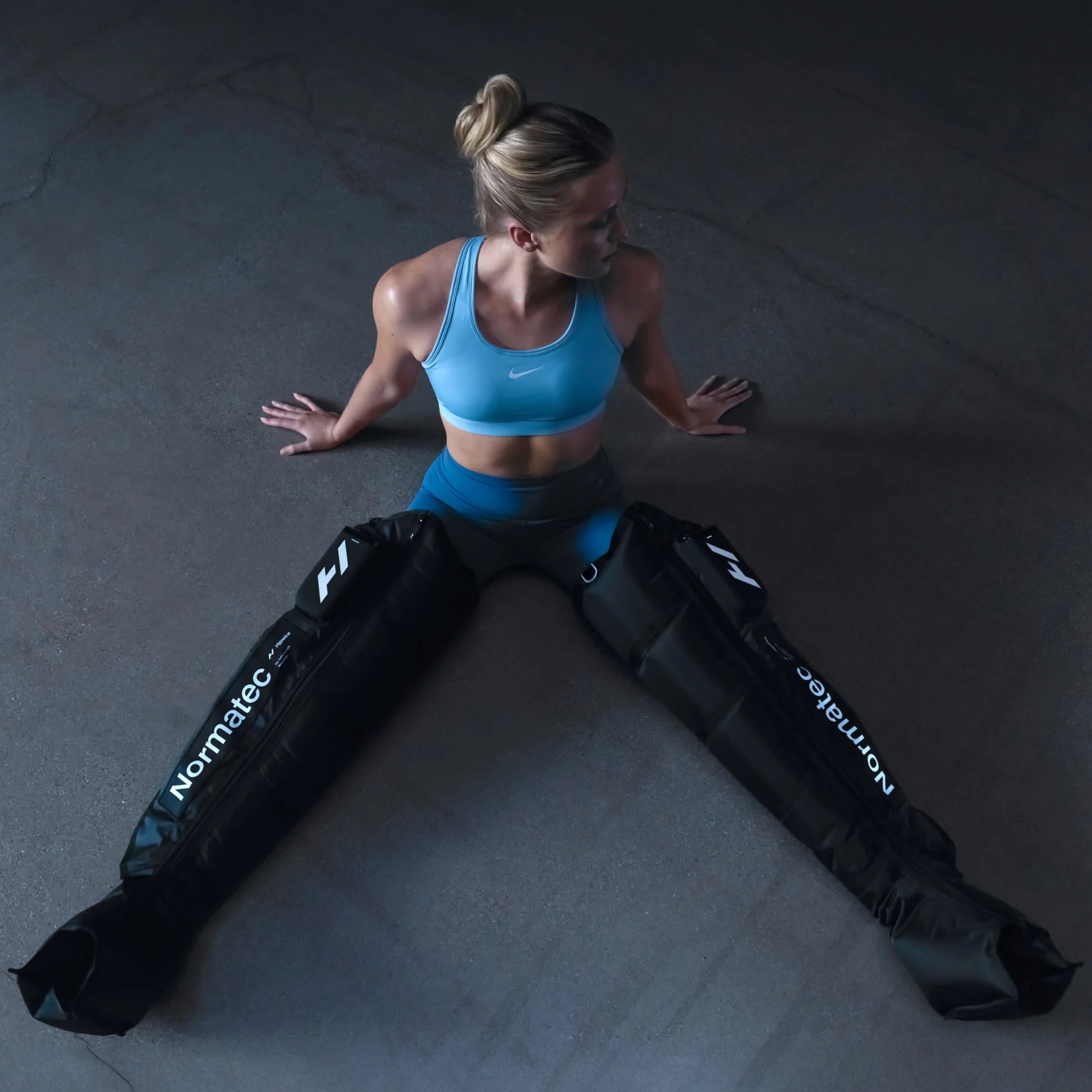
Likewise, sports compression research should be read in terms of the pressure method, participants, comparison and outcome. A study using one protocol does not validate every setting on every boot model.
This makes a category comparison more useful. Start with the intervention that was studied, then ask whether it resembles the option you are considering.

Read mixed findings together
Compression research illustrates why a single headline can be misleading. A 2025 review covering several recovery modalities found no reduction in soreness at 24 hours in its intermittent pneumatic compression comparison. A 2026 compression review reported small pooled benefits for soreness, perceived recovery and flexibility across a limited set of studies.
These findings do not have to be forced into one universal verdict. They reflect different study selections, methods and assessment times. For a buyer, the reasonable question is whether the available evidence supports the particular benefit being sought, with enough confidence to justify the time and expense.
Someone may also value a comfortable routine. That is a legitimate preference. It should be described as personal usefulness rather than presented as proof of a performance gain.
Make a comparison you can actually use
Choose one outcome and compare three realistic options: your existing routine, the proposed addition and a simpler alternative where appropriate.
For each option, record what it is expected to contribute, the evidence relevant to that contribution, the time required and the total cost. Add preparation and cleanup to the session time. Note any assistance, supplies or storage the option requires.
This prevents a familiar mistake: giving the most elaborate product credit for every possible recovery outcome while giving the current routine no credit at all.
At HealFaster Canada, we offer several recovery categories. The value of that range is the ability to discuss different needs. It should never imply that every person needs a product from every category.
Decide what would make it worthwhile
Before buying, finish this sentence: “This would be worth adding if it helped with this outcome and fit these limits.” The limits might include time, space, price or the demands of an existing rehabilitation plan.
For a measurable performance goal, discuss an appropriate way to assess it with the relevant professional. For a comfort preference, be honest that comfort is the goal. Neither needs to be inflated into a promise about the whole recovery process.
A good recovery decision leaves you with a clear reason to use the method, a realistic understanding of its demands and a way to reconsider it when your training priorities change.