
How to Plan Recovery Around a Real Training Week

Recovery planning should sit beside the training calendar. The relevant unit is the whole week, including work, travel and the next demanding session. A routine that looks sensible after one workout may fit poorly once those other demands are visible.
Start by planning for the person who has to live the schedule.
Map the demands before choosing the tools
Put training and competition on the calendar, then add the commitments that affect the time around them. Include work shifts, commuting, school or family duties and travel.
The IOC consensus on load in sport considers demands beyond training alone. That broader view is useful when an athlete's week looks manageable in an app but feels very different in practice.
This exercise does not need to become a complicated scoring system. Its first job is to reveal where the week is crowded and which decisions need a conversation with a coach or relevant professional.
Identify the next demand that matters
An illustrative recreational runner may have a late workday between a demanding session and a weekend event. The recovery question includes the available evening time and the purpose of the next activity.
Someone in a different training phase may have more time between demanding sessions. The same optional routine may represent a different tradeoff.
Ask what the method is intended to support in that specific gap. A comfort preference, a clinical task and a performance objective should each be described in their own terms.

Count the time around the session
A routine advertised as taking fifteen minutes may require more time once preparation, fitting and cleanup are included. Use the actual tasks to make the estimate.
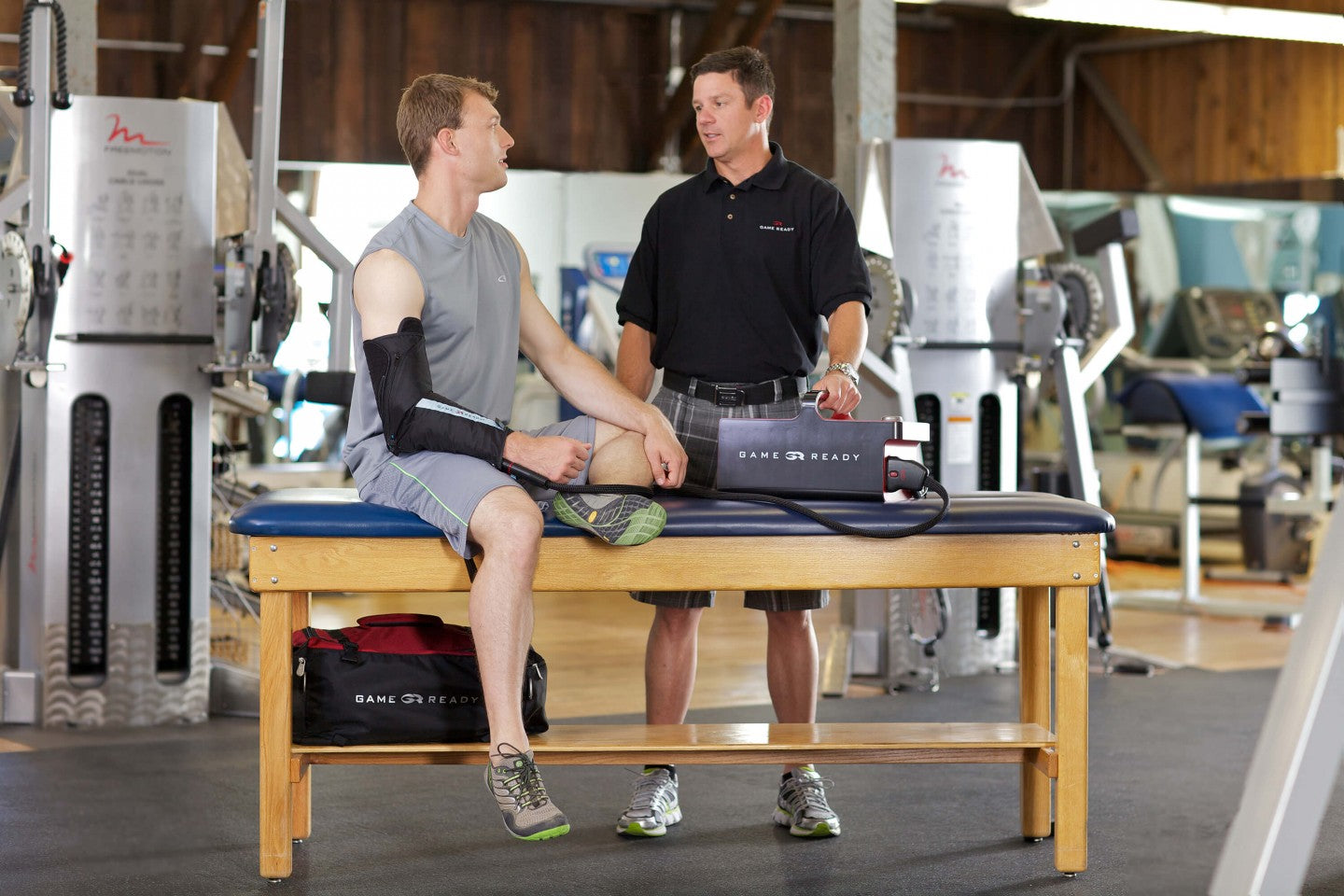
If you are considering equipment, try the routine at a time similar to when you expect to use it. Check where it will be stored and whether anything needs to be prepared earlier.
This gives the comparison a realistic basis. A method that requires little effort from a professional support team may demand more from someone organising it alone after work.
Give observations a destination
The athlete may notice soreness, fatigue, a change in sleep or difficulty completing a task. Decide whom to discuss those observations with and what information would help the conversation.
A coach can review training decisions within their role. A clinician can assess a health or injury concern. An equipment supplier can explain operation and technical support.
The value comes from the response to information. Recording more data is useful only when someone understands how it relates to the decision at hand.
Leave room to revise the week
A calendar is a working plan. Travel changes, work runs late and symptoms or other circumstances may need assessment. The routine should be revisited when the week changes materially.
Avoid treating a missed optional session as a failure that must be repaid by doing more the next day. Review the purpose and fit instead. Prescribed rehabilitation tasks require discussion with the treating team if they cannot be carried out as directed.
The practical result should be a week in which each recovery activity has a reason, a realistic place and a route for review. That is more useful than an impressive list of methods that compete for the same hour.