How to Decide Whether You Need Another Recovery Device

An additional recovery device makes sense when it addresses a defined need that your current approach does not adequately meet. The first decision is whether there is a useful job for it to do. Choosing a brand comes afterwards.
It is easy to notice a new product. It takes more thought to explain what would actually change if you owned it.
Describe the problem without naming the product
Write the problem as an ordinary sentence. “I want something for recovery” is too broad. “I am considering an optional way to manage post-training soreness” is more specific. “I cannot fit the prescribed wrap without help” describes a practical obstacle that may need a different response entirely.
The wording matters because it directs the next conversation. A product question, a setup problem and a new symptom should not all be answered by the same shopping recommendation.
If the issue concerns an injury, surgical recovery or a change in symptoms, start with the relevant treating professional. Equipment selection can then follow the actual need and any clinical restrictions.
Compare against what you already do
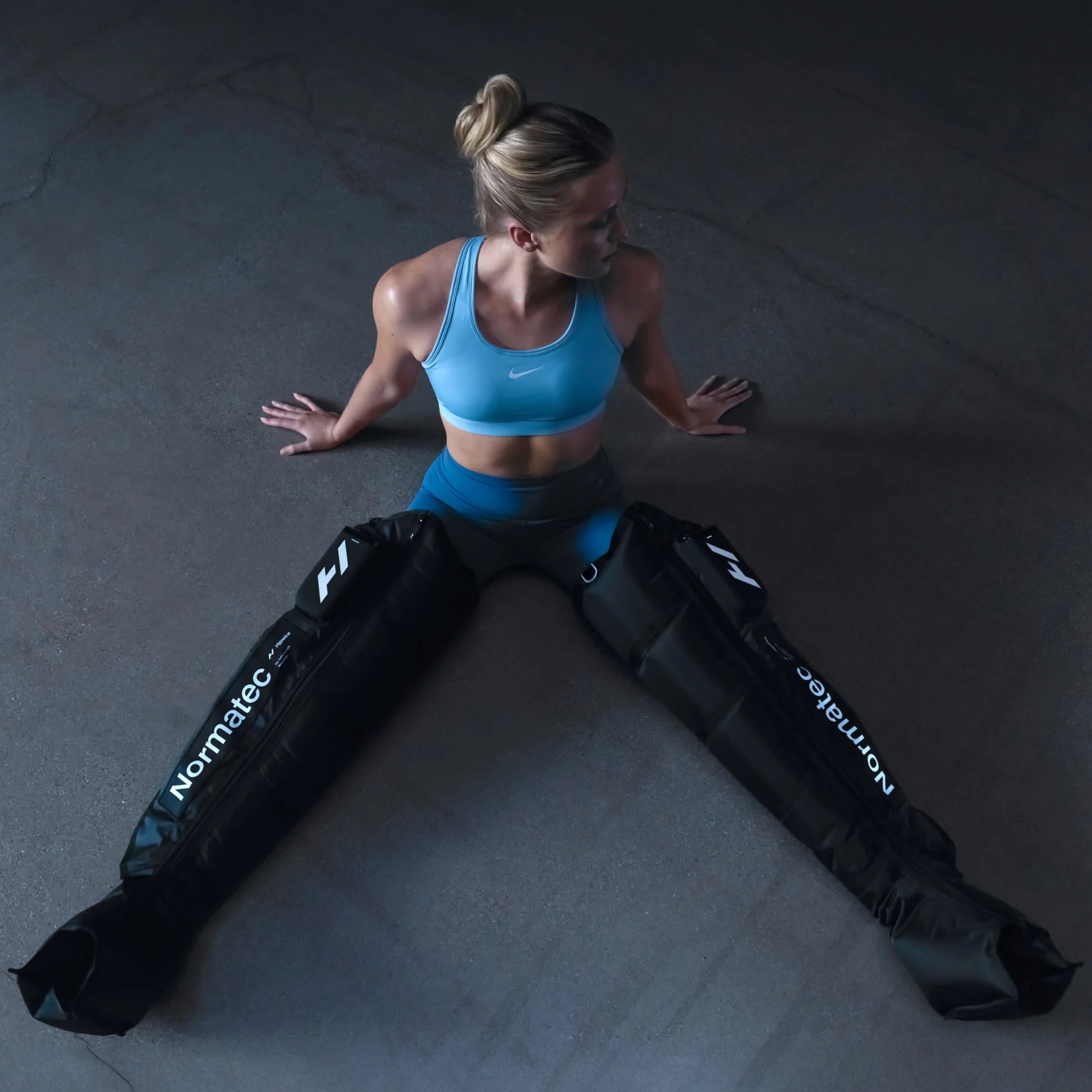
Consider an illustrative buyer who has limited evening time and is interested in compression boots. The meaningful comparison includes the current routine, the time a boot session would require and what the person hopes to gain.
The comparison should also include preparation, getting into and out of the equipment, storage and charging where relevant. A product can be appealing in a demonstration and still compete with another priority at home.
Another buyer may have time and a clear preference for the experience. The same device can represent a different value decision for those two people. Price alone cannot describe that difference.

Give features a practical meaning
Features are useful when they connect to a task. Portability may matter if you will use the equipment in more than one place. A sizing option may matter if it makes the intended fit possible. An operating control may matter if it supports the routine selected by a professional.
Ask the seller to explain that connection. “Advanced” is an adjective. “This is how the control works, and this is the task it changes” gives you something to evaluate.
At HealFaster Canada, I want a recommendation to remain understandable when the logo is removed. A product should earn its place through a relevant contribution, evidence and a workable ownership experience.
Check what the purchase would leave unresolved
A device may solve one problem while leaving another unchanged. Buying equipment does not book a follow-up appointment, explain an exercise restriction or make a helper available at the necessary time.
List the remaining tasks before treating the purchase as a complete plan. This is particularly useful after surgery, when several separate arrangements may all be described as “recovery.” Knowing which one the product addresses prevents an avoidable misunderstanding.
The same logic applies to an athlete. A recovery purchase cannot by itself settle whether the training schedule is appropriate. That question belongs in the discussion with the coach or professional who understands the broader situation.
Leave room for a sensible decision to wait
The answer may be to buy, choose a simpler option, get an explanation or wait until the need is clearer. Each can be a considered outcome.
A useful supplier conversation should make those possibilities easier to understand. If you can describe the missing job and show how the product would do it, you have the basis for a real comparison. If that sentence is still unclear, the next useful step is more information.