How to Test a Recovery Equipment Demonstration Before You Buy

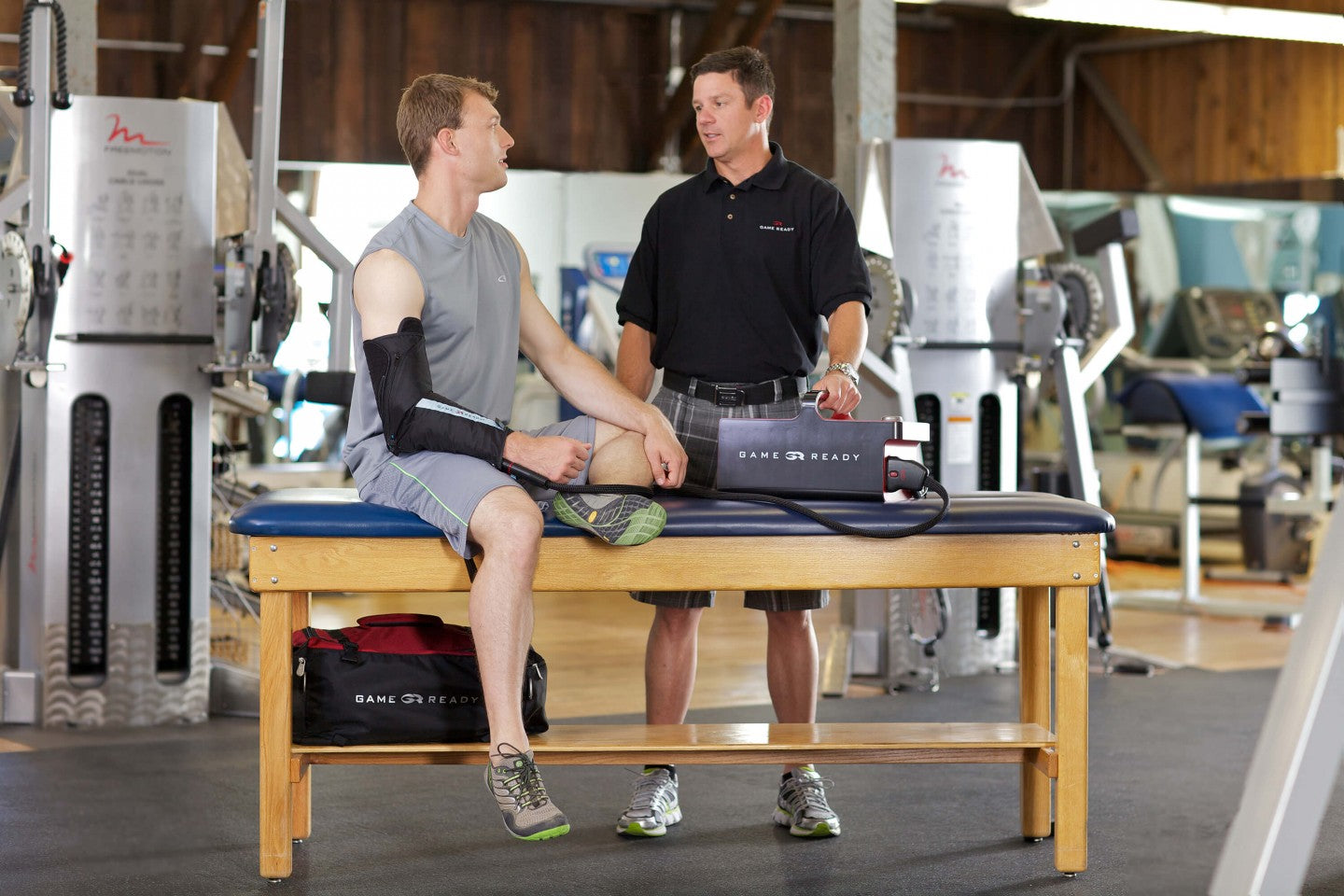
A useful demonstration lets the intended user perform the tasks that ownership will require. Watching a skilled presenter operate a device shows what the presenter can do. The buyer also needs to understand what using the product will ask of them.
Bring the routine into the demonstration, including the beginning and the end.
Ask to see the exact configuration
Confirm the model, accessory sizes and controls being demonstrated. If the package you intend to receive differs, ask how the relevant tasks change.
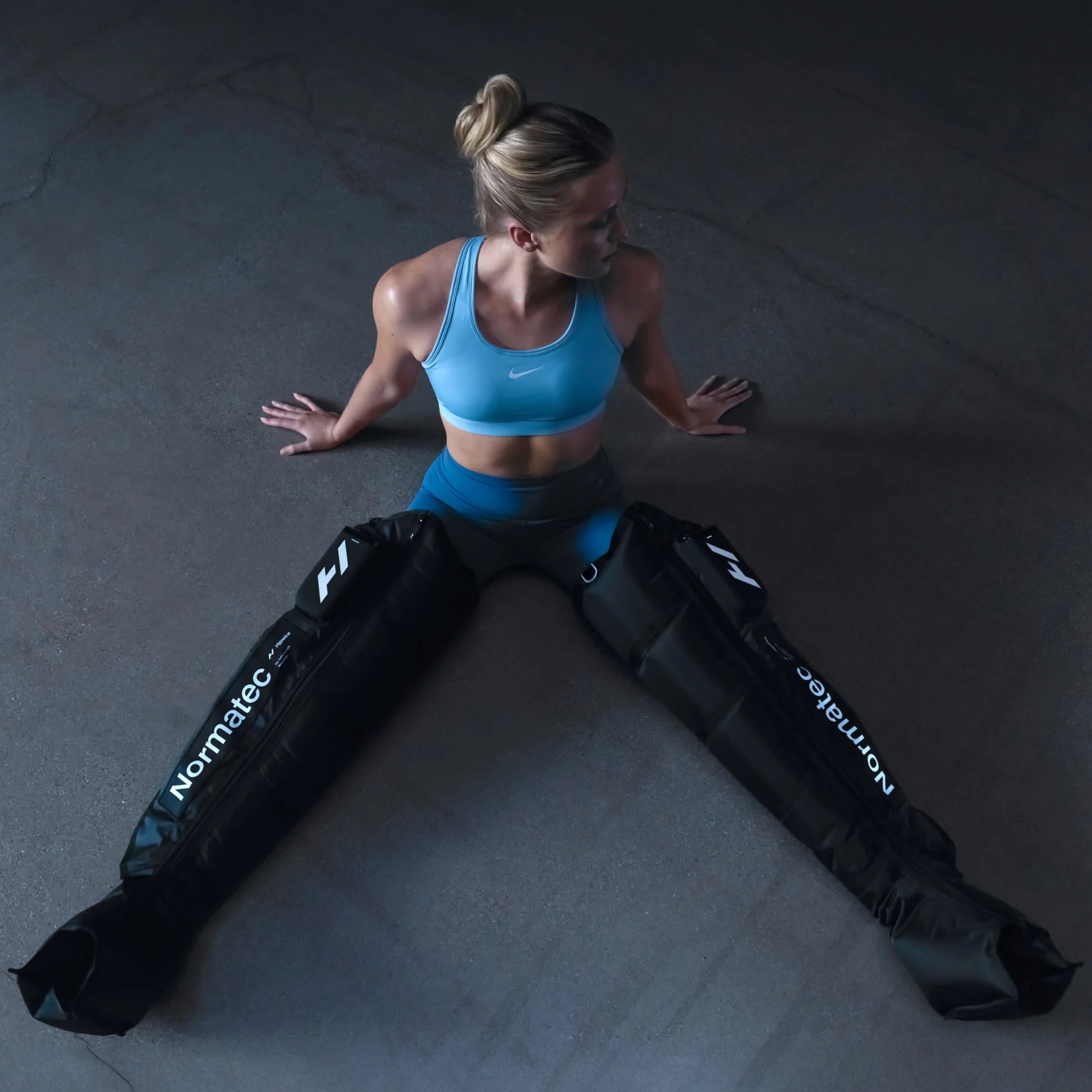
This matters for systems with several components. A familiar brand name may cover different control units, wraps or accessories. The demonstration should resemble the actual order closely enough to answer the buyer's questions.
For clinical use, establish the appropriate use case before testing the workflow. The demonstration should follow the applicable instructions and professional guidance.
Find the instructions without help
Ask where the operating information is kept and how you would locate the relevant section. If the routine depends on a phone, app or online video, try accessing it in the way you expect to use it.
This is a simple task, yet it can reveal an avoidable obstacle. An instruction that exists but cannot be found at the necessary moment has limited practical value.
The FDA's human-factors framework considers the interaction between users, environments and interfaces. For a buying demonstration, the useful application is to observe the person doing the task in a relevant setting.

Try preparation and fitting
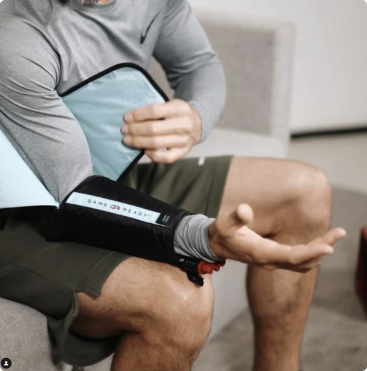
Have the intended user, or the helper who will be involved, perform the appropriate steps under guidance. Check reach, grip, accessory selection and the space required.
If the product depends on supplies or preparation, include those demands in the explanation. A product may be straightforward once ready while the preparation creates the main difficulty.
For a clinic, involve the staff who will use the system routinely. For home use, avoid assuming that a professional demonstration establishes independent use after surgery.
Operate and finish the routine
Ask to practise the relevant controls within the demonstration's approved scope. Then include removal, approved cleaning, storage and charging where applicable.
Record what required help and what information was missing. Do not turn the exercise into an improvised clinical trial. The purpose is to assess the demands of use, not prove a health benefit through one demonstration.
The findings may support a clearer explanation, a different configuration or another appropriate option.
Rehearse a question rather than a fault
Ask whom you would contact if an operating step were unclear. Check what information that contact would need and how the support process works.
There is no need to create a fault or bypass the product's protections. A simple explanation of the route can reveal whether the ownership arrangement is understandable.
Make the demonstration part of the comparison
Bring the observed tasks back to the purchase decision. Which option fits the user and setting? What assistance is required? Which demands affect time or cost?
The device with the longest feature list may still have a useful role, but its case should include what those features contribute and what ownership requires. A demonstration has done its job when you can picture the routine in your actual home or clinic, including the tasks the sales presentation is easiest to skip.