How to Compare Renting and Buying Recovery Equipment

Renting and buying recovery equipment create different financial and practical commitments. The more useful option depends on the expected duration, total charges, accessories, future use and the arrangement for support or return.
Compare the agreements for the need you actually have, rather than assuming ownership is always better value.
Define the likely period of use
Start with the purpose and, where relevant, the clinical plan. A short episode of care and an ongoing use case raise different purchasing questions.
Ask which parts of the expected duration are known and which may change. For prescribed use, the treating professional guides the clinical need; the supplier explains the agreement.
An uncertain duration should appear as an uncertainty in the comparison. Do not turn an estimate into a commitment without understanding what happens if the plan changes.
Compare complete packages
Check that the options include the same necessary items. A unit price may exclude an accessory that appears in a rental package, or a rental agreement may have charges that are not part of a purchase price.
Request an itemised explanation in Canadian dollars. Include applicable taxes, transport, required supplies and any relevant fees. Ask which amounts are confirmed and which depend on the agreement or later circumstances.
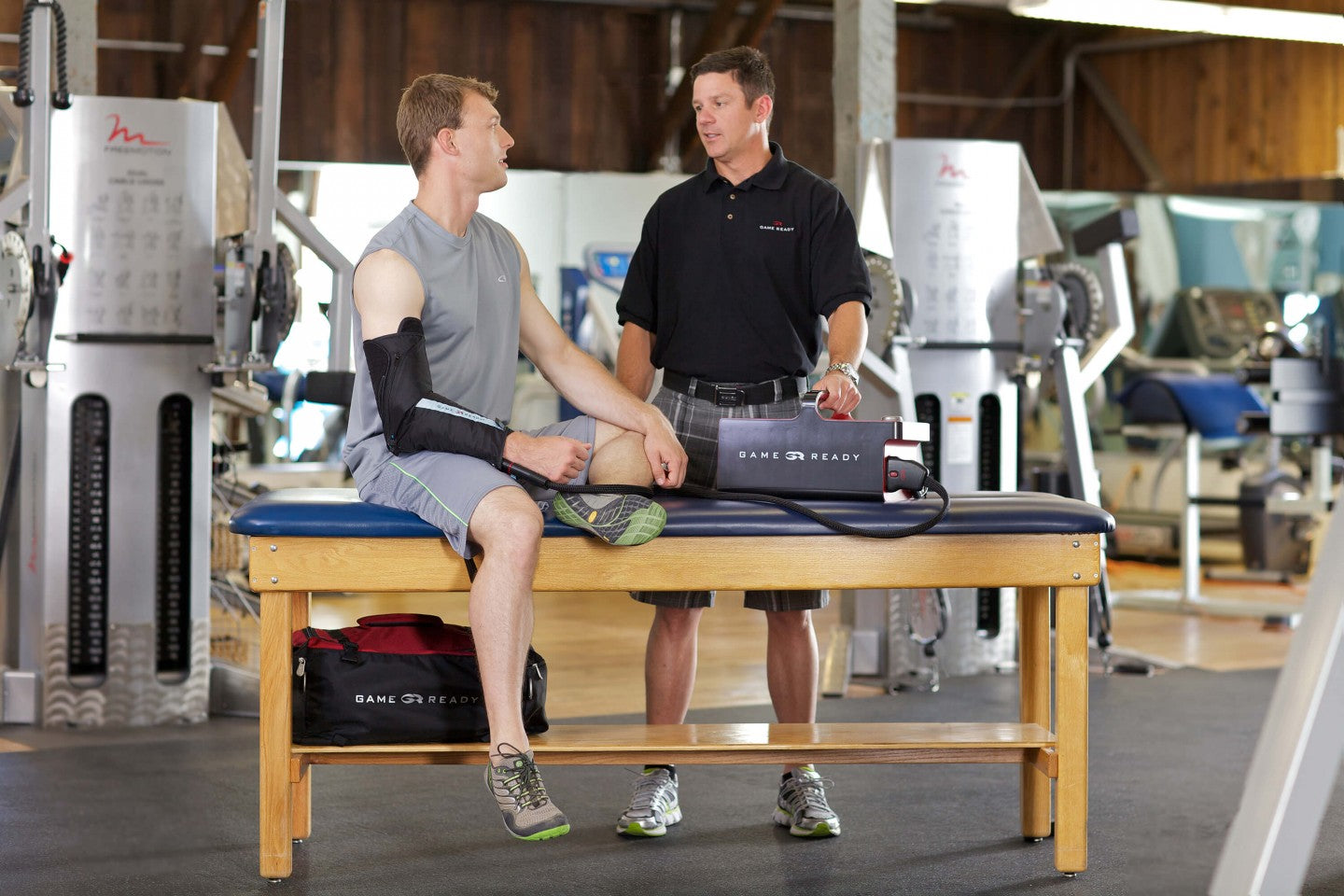
For Game Ready, HealFaster Canada's rental option can be compared with an appropriate purchase configuration. The exact package and terms should be confirmed for the intended use.

Use a transparent break-even example
Consider an illustrative comparison with a purchase commitment of CAD $2,000 and a rental cost of CAD $100 per week. If all other costs and conditions were identical, the simple price crossover would be twenty weeks.
Real agreements may include different accessories, taxes, service arrangements, rental limits or ongoing costs. Those differences can change the calculation. The example is arithmetic, not a HealFaster quote or a recommendation for any specific device.
Ask the supplier to explain how the actual numbers change over the period you are considering. A clear comparison should show its assumptions rather than hide them inside the phrase “better value.”
Account for what happens afterwards
Ownership may mean storage, maintenance, future accessories and a service process over time. A rental involves an end date or review process, return instructions and responsibility for the items supplied.
Ask who will carry out those tasks. A purchase that looks economical can still add demands the buyer does not want. A rental that fits a short-term need may become a different decision if the duration changes substantially.
Avoid assuming resale value or future clinical use without a reasonable basis. A device bought for one person's current plan should not automatically become a suitable option for another household member later.
Keep coverage separate from price
If insurance affects the decision, ask the payer about the exact purchase and rental options. Do not assume that the same eligibility or reimbursement applies to both.
The important number is the commitment you would actually accept, including any amount you may need to pay yourself. Keep the written coverage information with the comparison.
A good rent-or-buy decision can be explained through the intended duration, the full package and the work each agreement introduces. That makes the choice more useful than comparing a weekly headline price with a unit price alone.