Connecting Recovery Goals After Surgery to Everyday Function

A meaningful recovery goal connects the activity a person values with the current stage of their rehabilitation. Pain, movement, strength and confidence provide different information about progress towards that goal.
“Back to normal” sounds clear until two people try to explain what it means.
Name the activity that matters
The goal may be returning to work, managing the stairs at home or taking part in a family activity. Ask what the person wants to be able to do and why it matters to them.
That conversation gives the clinical team a destination to work towards. It should not create a deadline the person feels compelled to meet regardless of their circumstances.
An important future event can stay in the discussion. The team can explain what information will guide the nearer-term decisions and which parts of the plan may need review.
Separate the destination from today's task
Consider an illustrative patient whose longer-term goal is to return to a job that involves moving around a workplace. The current stage might involve a prescribed home activity, an appointment or learning to use recommended equipment.
Those tasks are useful when their purpose is understood. Completing one does not automatically demonstrate readiness for the whole job.
Ask the treating team to connect the two levels: “How does what I am doing now help us assess or work towards the activity I want back?” This makes the plan easier to follow without turning a distant ambition into a self-imposed clearance rule.

Treat different improvements as different information
Less discomfort may make the day easier while a functional task remains difficult. More movement may be recorded while confidence still needs attention. Neither situation means the improvement was meaningless.
The useful response is to identify what changed and what remains unresolved. The team can then explain which findings matter for progression.
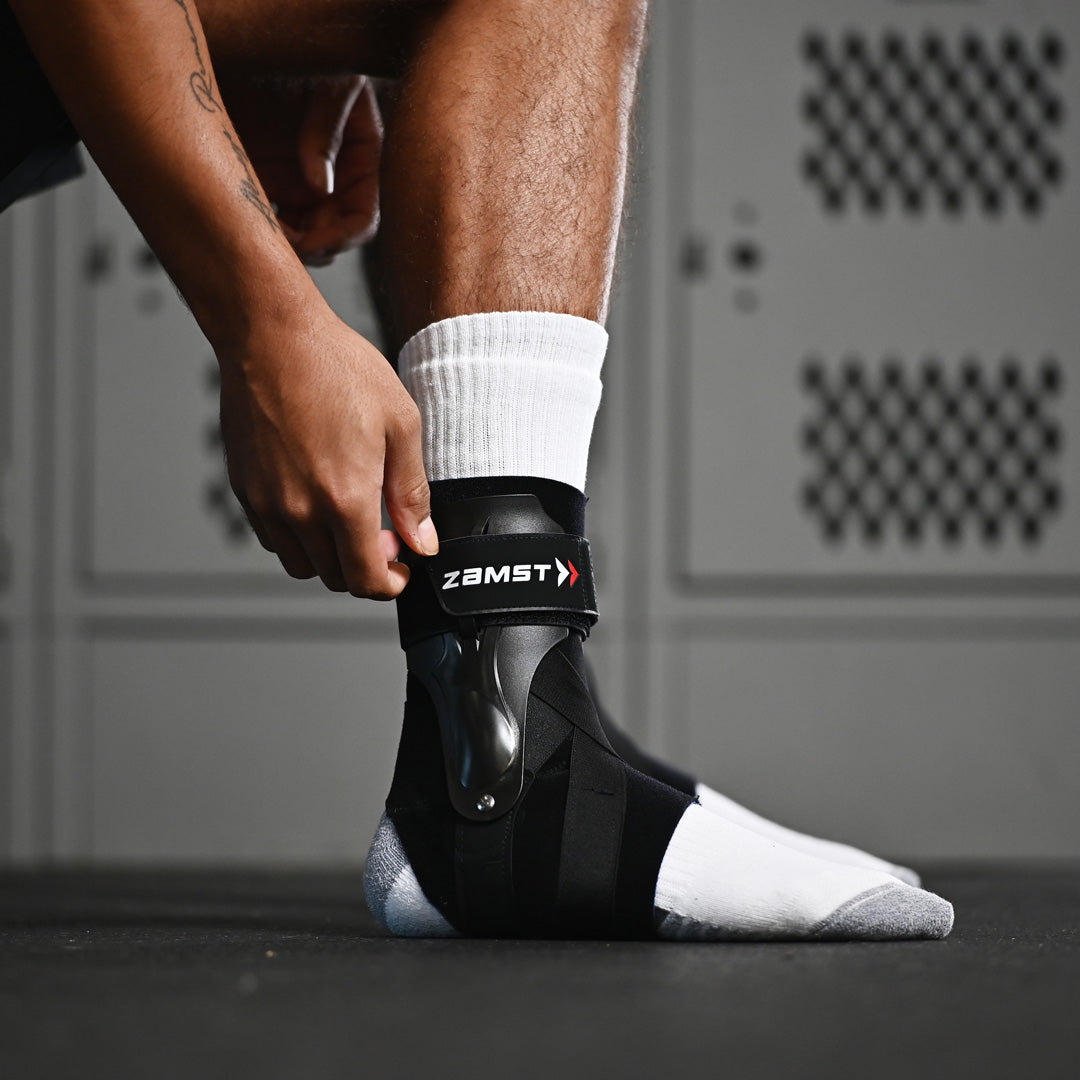
This is particularly important when equipment is involved. If a product is being considered for a symptom-focused purpose, describe that purpose accurately. A change in comfort should not silently become a claim that the product has restored every requirement for work or sport.
Create a short progress conversation
Bring three pieces of information to the next review: the activity you want back, the task that is currently difficult and the questions you need answered. These are discussion prompts, not a replacement for the team's measures or instructions.
Ask which signs or assessments guide the next stage and what should prompt earlier contact. Keep the relevant advice with the current plan so that everyone helping you can find it.
Patient involvement is central to approaches such as AHRQ's IDEAL discharge-planning framework. For a Canadian reader, it is a useful communication reference from the United States, rather than a national treatment pathway.
Make room for the person's experience
A clinical measure and the patient's experience can add different perspectives. Someone may be pleased with less discomfort while still worried about an ordinary task. Asking about both helps identify what needs explanation or support.
At HealFaster Canada, I want equipment discussions to stay connected to that real-life goal. The product's contribution should be understandable alongside the wider recovery plan.
A useful milestone gives the person more than a tick beside a task. It helps them understand where they are, why the current work matters and what the treating team will consider next.