What to Know Before Buying Compression Boots for Recovery

Compression boots apply changing external pressure through powered leg garments. For exercise recovery, the evidence is mixed across outcomes and assessment times. A useful buying decision separates the experience of a session from measured effects on performance and the practical demands of ownership.
The question is whether a particular system offers a worthwhile contribution to your routine.
Understand what the session involves
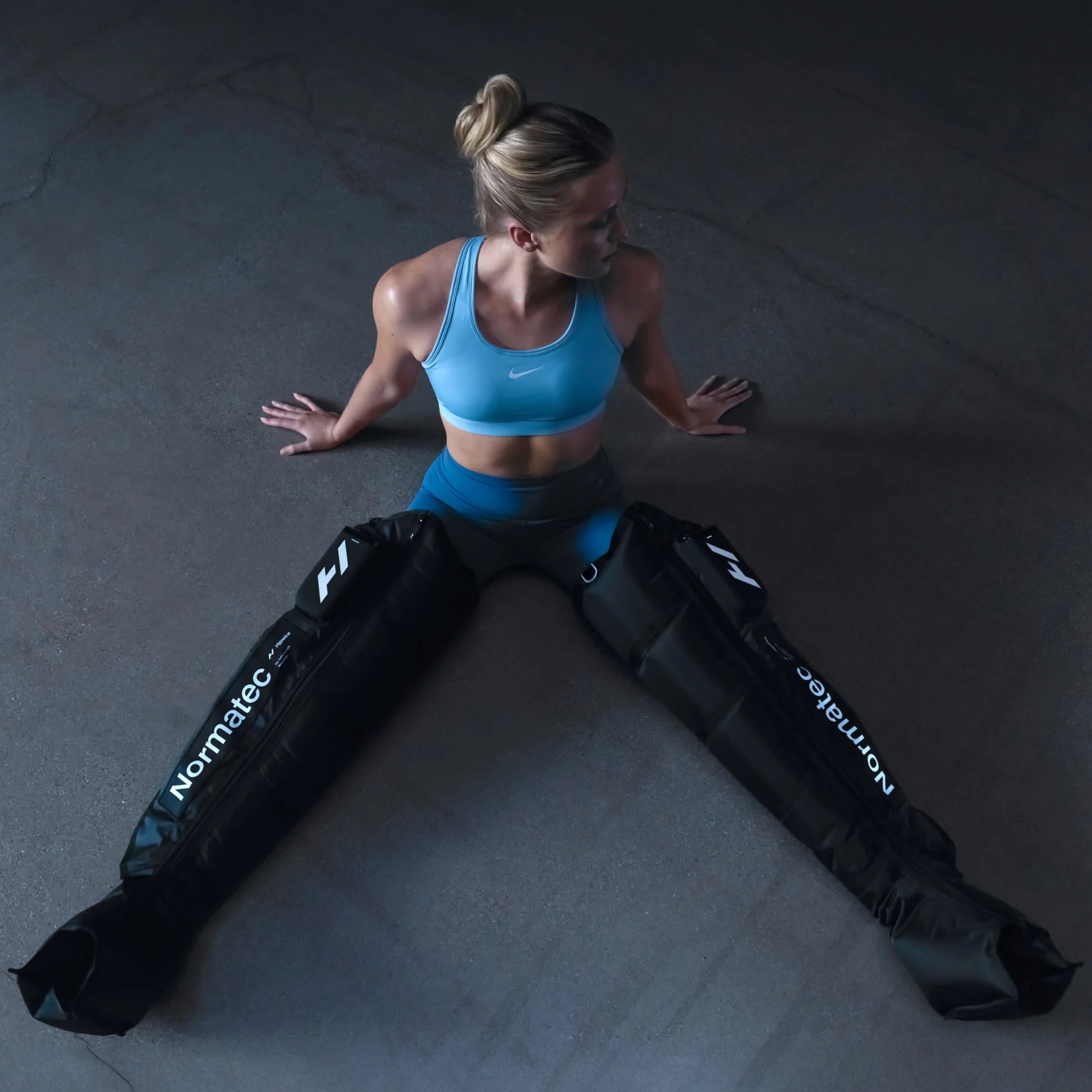
Pneumatic compression systems differ in their controls, pressure patterns, fit and physical layout. Some use a separate controller and hoses; other designs integrate the controls into the garments.
For example, the manufacturer describes Normatec Elite Legs as a hose-free design with integrated controls. That is an operating difference you can assess directly. It does not, by itself, prove a larger clinical or performance benefit than another model.
Before comparing specifications, try the tasks that matter: getting the garments on, reaching the controls and putting everything away. Ask which model and size are being demonstrated.
Read the research beyond the headline
A 2024 systematic review of lower-limb intermittent pneumatic compression found more encouraging findings for perceived soreness and pain than for muscle mechanical function, with limitations in the evidence.
Subsequent reviews also differ. A 2025 review found no soreness reduction at 24 hours in its IPC comparison. A 2026 review reported small pooled benefits for soreness, perceived recovery and flexibility across ten included articles.
For a buyer, those differences matter. They support a qualified discussion of specific outcomes, not a guarantee that boots will improve every measure of recovery or make the next workout better.

Decide what you would value
Someone may want an optional routine they find comfortable after training. Another person may be seeking a measurable effect on next-day performance. Those goals require different explanations.
If you value the experience, say so and compare the cost and time on that basis. If the purchase depends on a performance claim, ask for research that measured a relevant performance outcome in a comparable setting.
Avoid giving one pleasant session credit for a whole change in readiness. Training demands, sleep, ordinary life and other care may all be changing at the same time.
Compare the full routine
The advertised session length is only part of the commitment. Include preparation, fitting, charging where needed, approved cleaning and storage. Consider whether the routine will happen when you actually have time to use it.
For a shared team or clinic setting, ask who will manage those tasks and how the system will be prepared between users. For home use, check that the intended user can manage the garments and controls.
More pressure is not an automatic improvement. Use the instructions for the exact product and seek appropriate guidance about suitability, especially when there is an injury, a medical condition or prescribed compression already involved. Sports-recovery boots should not be assumed to replace a medical compression treatment.
Make the comparison relevant to your purchase
HealFaster Canada represents Normatec. That relationship should be clear while the actual model, evidence and ownership arrangement are discussed.
Ask what is included, which sizing information applies and how technical questions or service are handled. A model name can remain familiar while accessories, controls and configurations differ.
The best reason to add compression boots is one you can explain in ordinary language: the benefit you value, the evidence relevant to it and a routine that fits your circumstances. That gives the purchase a purpose beyond owning equipment you have seen in an elite recovery room.