What Everyday Athletes Can Learn From a Professional Recovery Room

The most useful lesson from a professional recovery environment is how decisions are organised. Equipment sits within a schedule, a purpose and a support process. Buying the same product does not reproduce all of those conditions.
The part worth borrowing may be the question asked before the session begins.
Use the partnership to ask a better question
CSIO's June 2025 partnership renewal announcement describes discounted equipment purchases and rentals for affiliated athletes. I am proud of that relationship. Its relevance here is access: it gives a specific example of how a supplier can participate in a high performance sport environment. It does not establish a clinical result for every product or user.
For an everyday athlete, I would translate the ambition into a practical question: which part of a well-supported recovery process can I make workable in my own week? That may involve better information, a manageable rental arrangement or a clearer conversation with a professional. The answer should fit the person who will carry it out.
Look beyond the equipment photograph
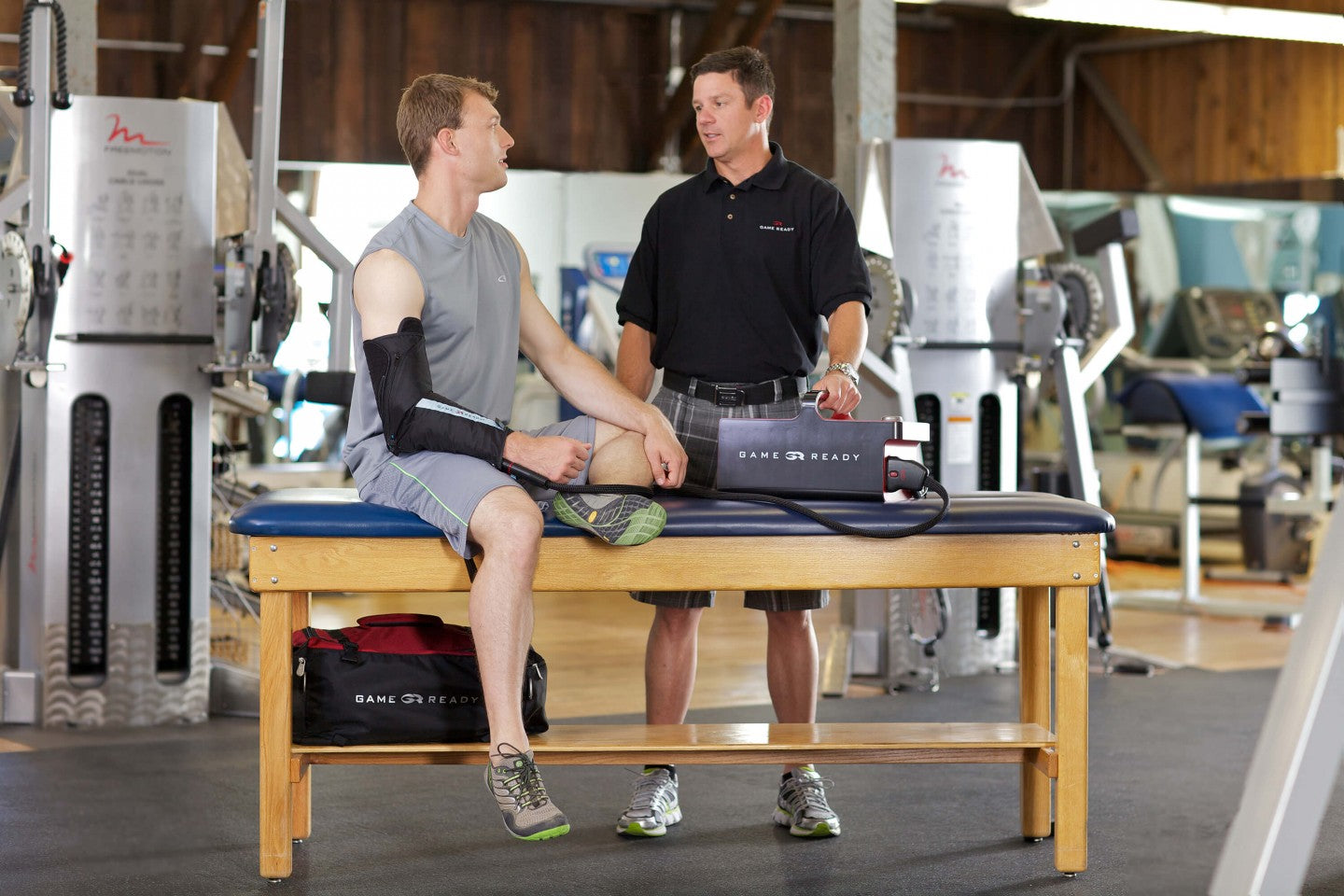
A recovery-room image shows the tools. It may not show who selected the intervention, the athlete's next demand, the staff available or the time reserved in the schedule.
Those surrounding arrangements affect the experience of using the equipment. A professional team may have someone to prepare, explain and put away a system. An everyday athlete may be doing all of that after a full workday.
The comparison should include those differences. Otherwise, a useful professional workflow can become a shopping list without its operating plan.
Borrow the purpose of the session
Ask what the athlete is preparing for and which outcome the method is intended to support. Is it part of an assessed rehabilitation program, an optional comfort routine or a choice being made around competition demands?
Then ask the same questions about your own situation. A session that makes sense between professional events may serve a different purpose during a recreational athlete's training week.
The method should be explained through that purpose. The fact that an athlete uses a product can tell you about adoption in a demanding setting. It is not a substitute for evidence of the benefit you are seeking.

Translate the support into something manageable
You may not have a support team, but you can make the basic process clearer. Decide when the routine would happen, what has to be prepared and which question would lead you to seek help.
Keep the instructions accessible. Store the equipment where the intended routine is practical. Include setup and cleanup in the time estimate.
These are modest arrangements, yet they may determine whether a tool fits ordinary life. A complicated personal dashboard is unnecessary if it leaves the next action less clear.
Compare the format with your setting
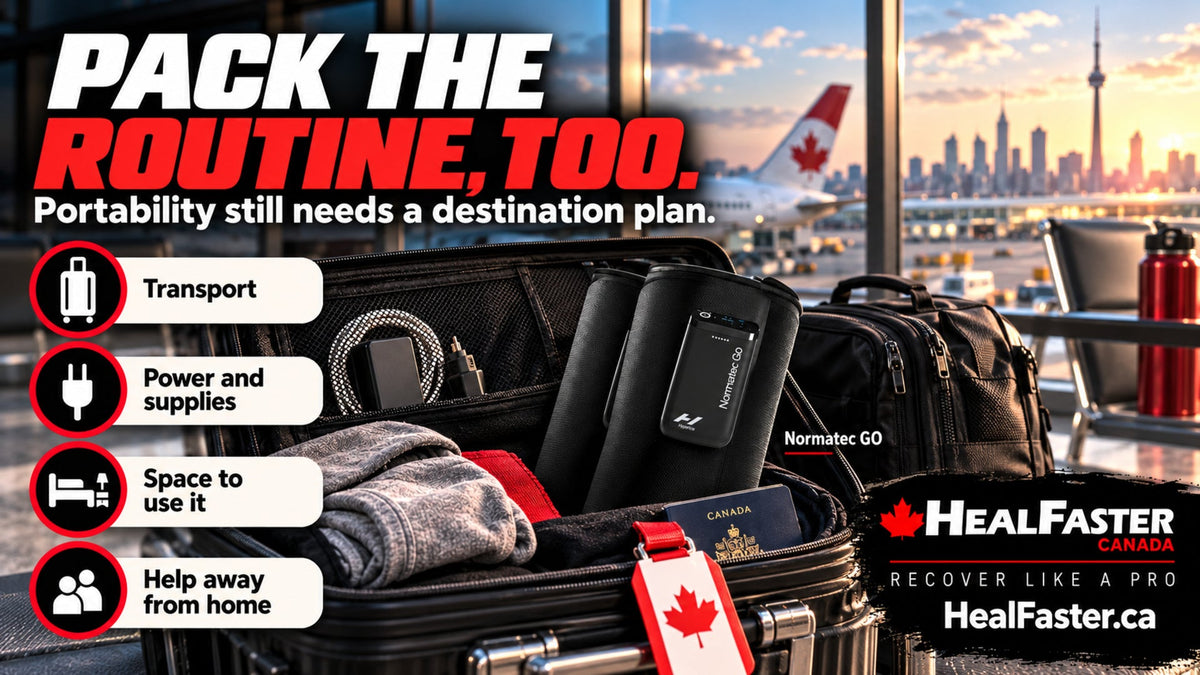
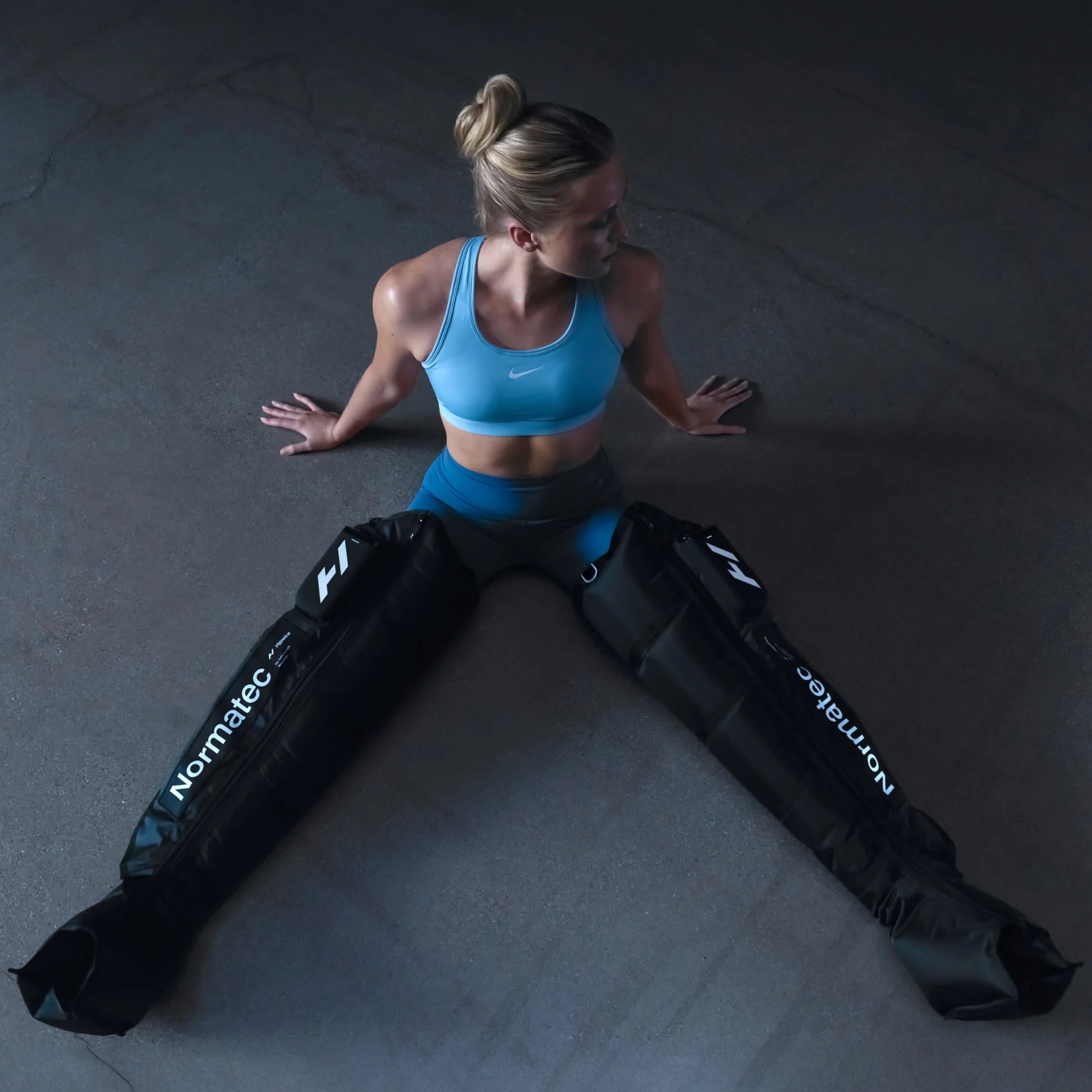
Product engineering can change the demands of use. For example, a hose-free compression design and a separate-controller system introduce different packing and operating tasks. Those differences can be assessed without claiming that one format guarantees a better recovery outcome.
At HealFaster Canada, our Normatec range is part of a wider recovery portfolio. The useful conversation connects a particular product to the person and setting that will use it.
An equipment choice should also account for space, time, cost and any relevant health considerations. The most recognisable product in a professional room may still be the wrong fit for another routine.
Judge the idea by what transfers
A helpful elite-to-everyday lesson should answer an ordinary question. How will you prepare for the next demand? How will you explain an observation to your coach or clinician? What work must be done before the equipment is ready?
If an idea makes one of those tasks clearer, it may be worth adopting. If it only adds pressure to own more equipment, reconsider what is being copied.
The goal is a recovery routine that fits your actual week and has an understandable purpose. Professional sport can offer useful examples of process while leaving the final equipment choice individual.