Build a Recovery Space Around the Tasks You Need to Do

A useful home recovery space starts with the tasks, access and help the person needs. The equipment should fit that arrangement, with preparation, controls, supplies and storage considered before additional products are added.
A room does not need to resemble a professional recovery suite to be thoughtfully organised.
Identify where the routine will happen
Start with the place the person can appropriately use under the relevant care and product instructions. Consider access, the space occupied by equipment and how another person would help if needed.
Check the manufacturer's requirements for placement, power, ventilation and the actual product. Keep the route through the room clear of the equipment and its accessories.
If mobility or home safety raises a clinical concern, seek the appropriate assessment rather than solving it through a shopping list.
Put preparation beside use
Ask where supplies will be stored and what has to be ready before the routine starts. A product that needs freezer preparation has different demands from one that needs charging or other supplies.
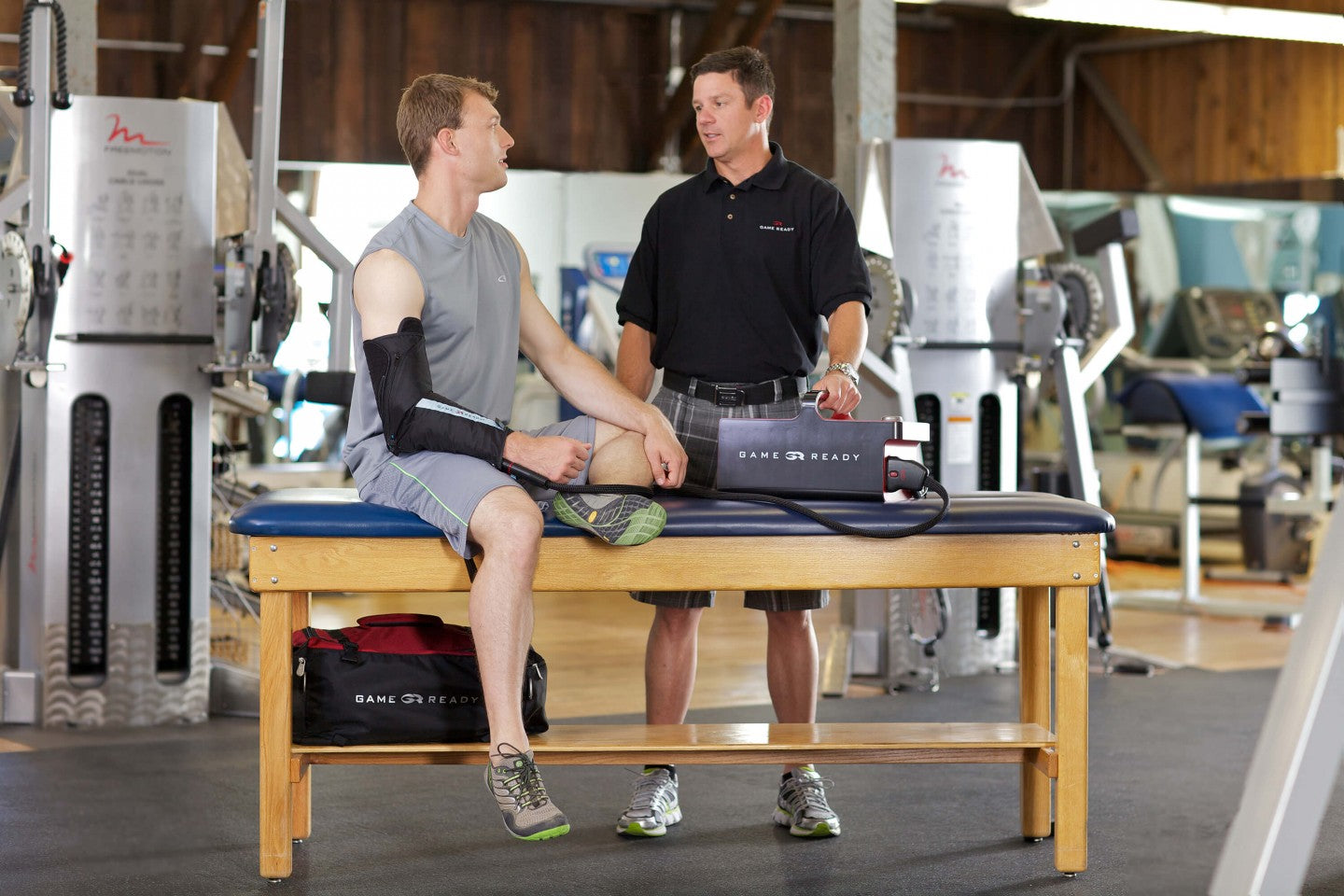
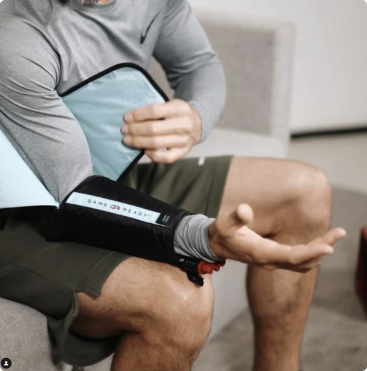
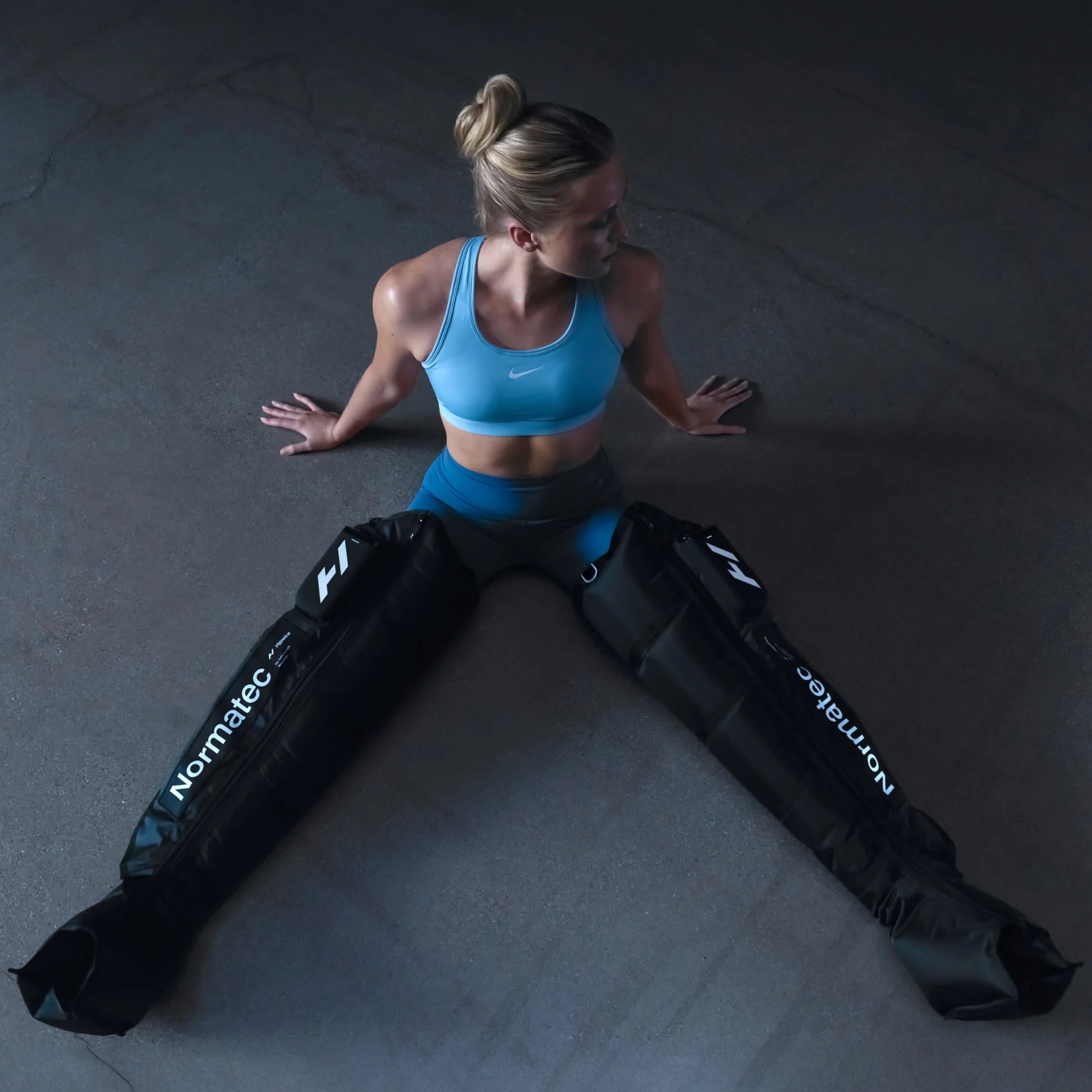
For a cold-therapy system, the unit, wrap and preparation tasks need room. For a garment or handheld device, getting into position and reaching the controls may be the main practical questions.
This is a useful point to check whether the intended user can manage the whole routine. An item being within reach while seated does not necessarily mean its preparation is independent.

Give instructions a permanent place
Keep the current operating information accessible to the intended user and helper. Store the clinical directions alongside it where relevant, with a clear distinction between the two.
If an app or online resource is required, check how it will be accessed from the place of use. A phone needed for instructions may also be the phone needed to call for assistance.
Good organisation reduces the need to search for the same information each time. It also helps a helper step into the routine without relying on another person's memory.
Plan what happens at the end
Include removal, approved cleaning, charging, packing and storage where applicable. Ask who will carry out each task and whether the same help will be available afterwards.
Keep accessories together in a way that follows the product instructions. A routine is less manageable if the next session begins with missing parts or an unprepared device.
For rented equipment, identify the return packaging and instructions early so that they remain available when the agreement finishes.
Test the space before expanding it
Walk through one appropriate routine with the actual user and planned assistance. Look for the point where reaching, preparation, information or storage becomes difficult.
Resolve that task before assuming another product will improve the space. A clearer setup may be more useful than filling the room with additional equipment.
At HealFaster Canada, I want a product discussion to help someone picture this ordinary environment. The most useful recovery space is one where the intended work can be carried out and understood, with the equipment earning its place through a clear role.