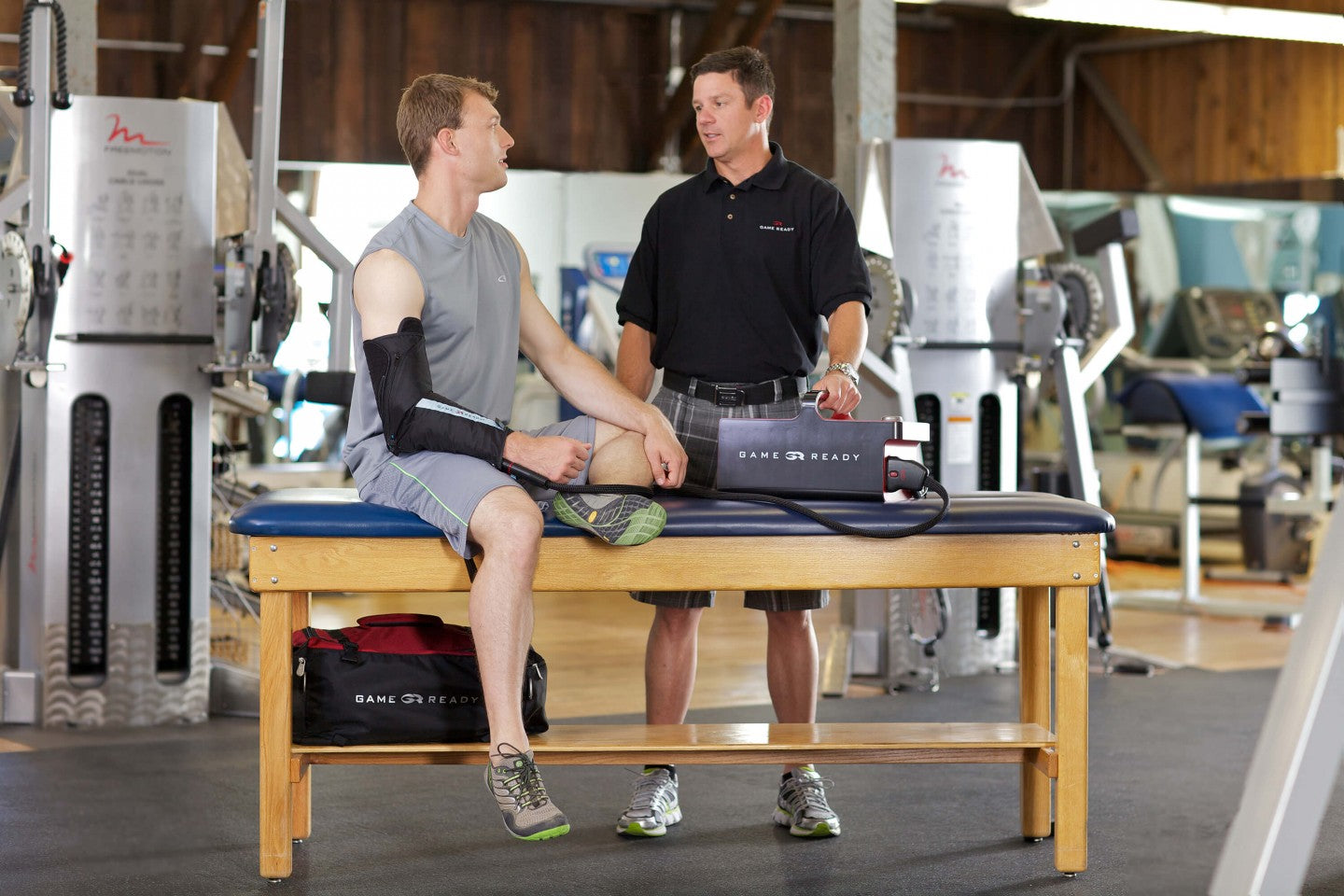


What a Caregiver Should Know Before Recovery Equipment Arrives

A caregiver should understand the help the patient actually needs, the equipment tasks involved and the route for questions before the routine depends on them. Availability and physical ability to assist should be discussed explicitly rather than assumed.
“My family will help” becomes a workable arrangement only when the tasks are clear.
Ask which jobs require assistance
Start with the care team's directions and the patient's agreement about who will be involved. Identify which ordinary tasks and approved equipment tasks may need help.
Keep clinical instructions with the people qualified to provide them. The caregiver should know where to find the current plan and how to obtain clarification.
For equipment, ask what assistance is needed for preparation, fitting, controls and putting the product away. A person may need help with only one step, but that step can determine whether the whole routine is practical.
Check the actual time commitment
Discuss when help will be needed and whether the caregiver can be there. Include work, travel, school pickup and other commitments in the conversation.
Avoid treating a helper's general willingness as proof that every time slot is covered. If there is a gap, raise it with the relevant care or support service early.
The plan should also recognise the helper's own limitations. A task that requires physical effort, reach or familiarity with equipment deserves an explanation suited to the person doing it.

Rehearse one complete routine
Where appropriate, have the patient and helper walk through the relevant operating steps using the actual instructions. Locate the supplies, prepare the equipment as directed and identify what happens when the session ends.
The teach-back communication approach is useful here: invite the person to explain a step in their own words and correct the explanation if necessary. The purpose is to find a gap while someone is available to help resolve it.
A demonstration can show that the instructions are understood while revealing that the home arrangement still needs work. For example, a helper may understand the connector but be unable to attend at the expected time.
Save the right contacts
Keep the clinical contact, urgent-care directions and equipment support information accessible. Explain what each contact is for.
If a question combines an operating issue with a symptom concern, preserve both parts. Technical troubleshooting should not become a substitute for the required clinical response.
Ask what information to provide when seeking help with the equipment. The model and a clear description of the difficulty may be more useful than saying only that it is not working.
Agree what happens when the helper is away
Discuss foreseeable gaps before they occur. Ask which service or team should be contacted if the planned help becomes unavailable or the routine cannot be carried out as directed.
Do not expect the patient or caregiver to solve the problem by changing clinical instructions. The useful action is to identify the practical obstacle and bring it to the right person.
Helping someone recover can involve many small jobs that remain invisible until they are missed. A clear caregiver arrangement names those jobs, checks that the help is realistic and gives unanswered questions a route to resolution.