

Organising the First Evening Home After Orthopaedic Surgery

The first evening home is easier to organise when the discharge instructions, immediate tasks, necessary supplies and contact information are accessible together. The priorities should come from the individual care plan, with practical help arranged around them.
A folder full of information can still leave someone wondering what to do first.
Find the plan that applies now
Before leaving the hospital or surgical facility, establish which instructions are current and how to obtain clarification. Ask the team to explain the immediate priorities and what assistance you will need.
Avoid combining advice from different operations or online timelines into a new personal plan. The Alberta knee-replacement going-home resource is one example of procedure-specific Canadian information. Your own discharge directions remain the reference for your circumstances.
Keep the instructions within reach of the people who will use them. If a caregiver is helping, confirm that they know where the relevant information is and which tasks have been explained.
Make the ordinary arrangements visible
Check what has already been organised for transport, meals, prescriptions, appointments and recommended equipment. Where something remains to be done, identify the person who will do it.
This is a coordination exercise. Medication questions belong with the prescribing team or pharmacist; movement and activity questions belong with the relevant treating professional. The household plan should make those directions easier to follow.
If a practical arrangement has failed, such as a helper being unavailable, contact the appropriate care or support service. A change in logistics is a reason to ask for help, not to invent a different treatment routine.

Give equipment a clear place in the evening
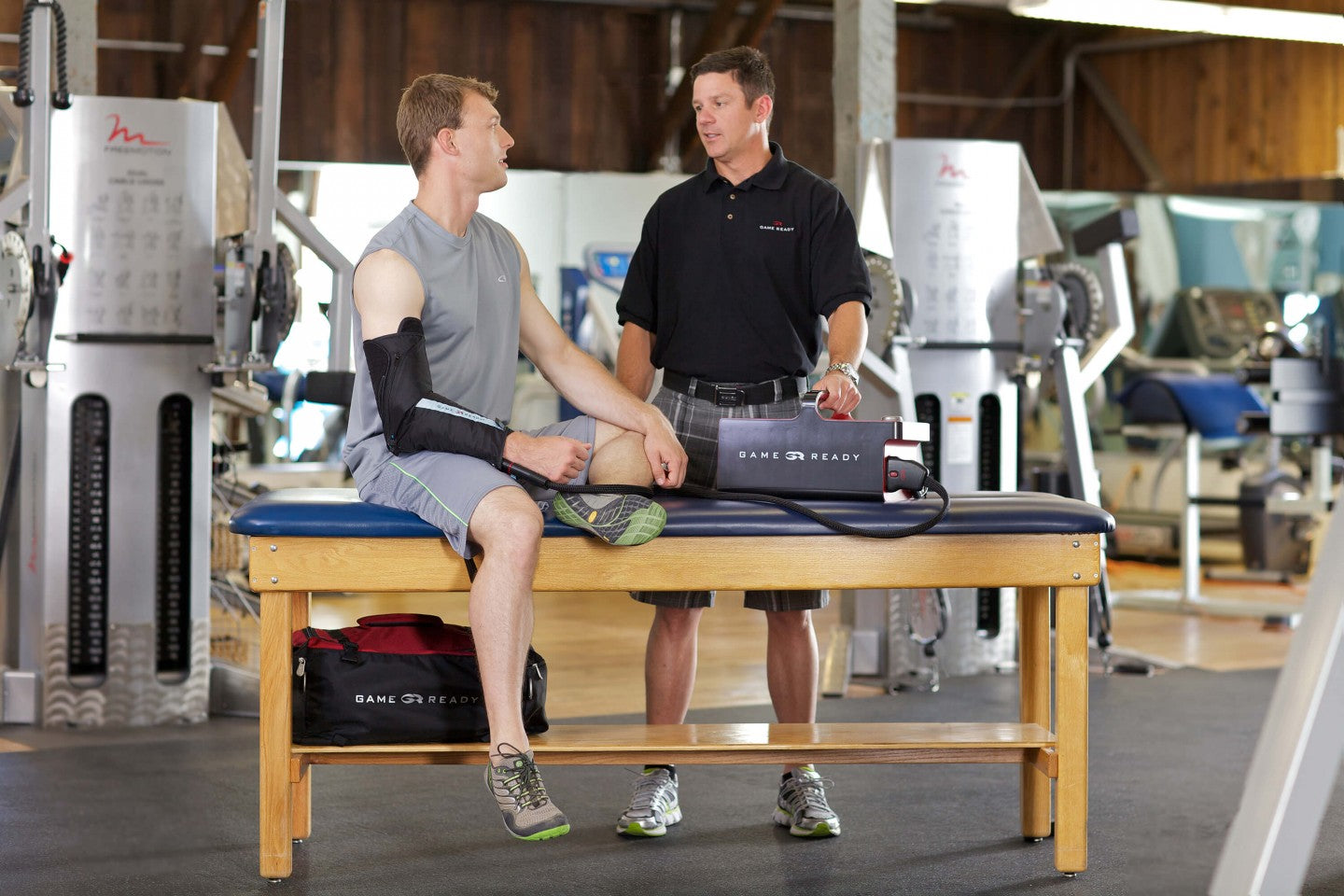
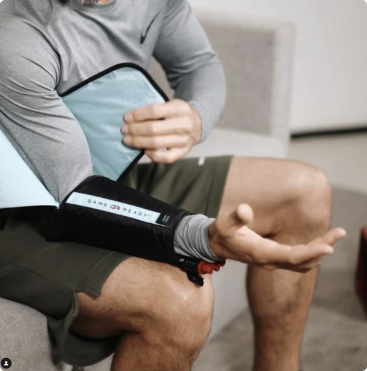
For recommended equipment, locate the correct instructions and check that the intended user or helper understands the approved setup. Make sure the accessories supplied match what was ordered.
Ask the supplier about operating questions before guessing. Controls, connectors, supplies and fitting can vary between systems. A demonstration for another model may not answer the question in front of you.
Keep the clinical directions for use alongside the operating information. Knowing how a control works does not determine which setting or routine is appropriate for a particular patient.
Separate the contact routes
Save the clinical contact and urgent-care directions provided by the care team. Save the equipment supplier's technical contact separately.
This distinction becomes useful when a question includes both parts. If someone is worried about a symptom and a device connector, the symptom still needs the appropriate clinical response. A technical answer should not be mistaken for reassurance about a health concern.
Ask for the contact process in a form you can use. A website address is less helpful if the phone or person needed to access it is somewhere else. A number is more useful when the caller knows what information to have ready.
Rehearse the next action in your own words
Before the conversation ends, describe what you will do next and ask the team to correct anything missing. A helper can take part with your permission.
The teach-back approach described by AHRQ treats this as a check on how clearly information was explained. It is a useful communication principle, rather than a test of whether the patient has memorised a document.
The aim for the first evening is a manageable sequence: the current instructions are accessible, the required help is identified and the next question has a destination. That gives the household a practical starting point without pretending every recovery follows the same first-day timetable.