Planning Recovery Equipment Access Outside a Major City

Equipment access outside a major city depends on more than whether a product can be ordered online. Delivery, fitting, supplies, assistance, technical support and transport for service need to work at the buyer's actual address.
A map showing national availability cannot describe all of those arrangements.
Start with the location and timing
Provide the supplier with the destination, relevant dates and the constraints that matter. Ask which delivery details can be confirmed and what may depend on transport circumstances.
If the equipment is part of a surgical plan, allow time to resolve logistics with the supplier and care team. A proposed arrival date and a confirmed arrangement are different pieces of information.
The same practical concern can exist in a city. Distance matters, but so do transport, work commitments and the help available. The postal code is part of the description, not the whole person.
Check what happens when the box arrives
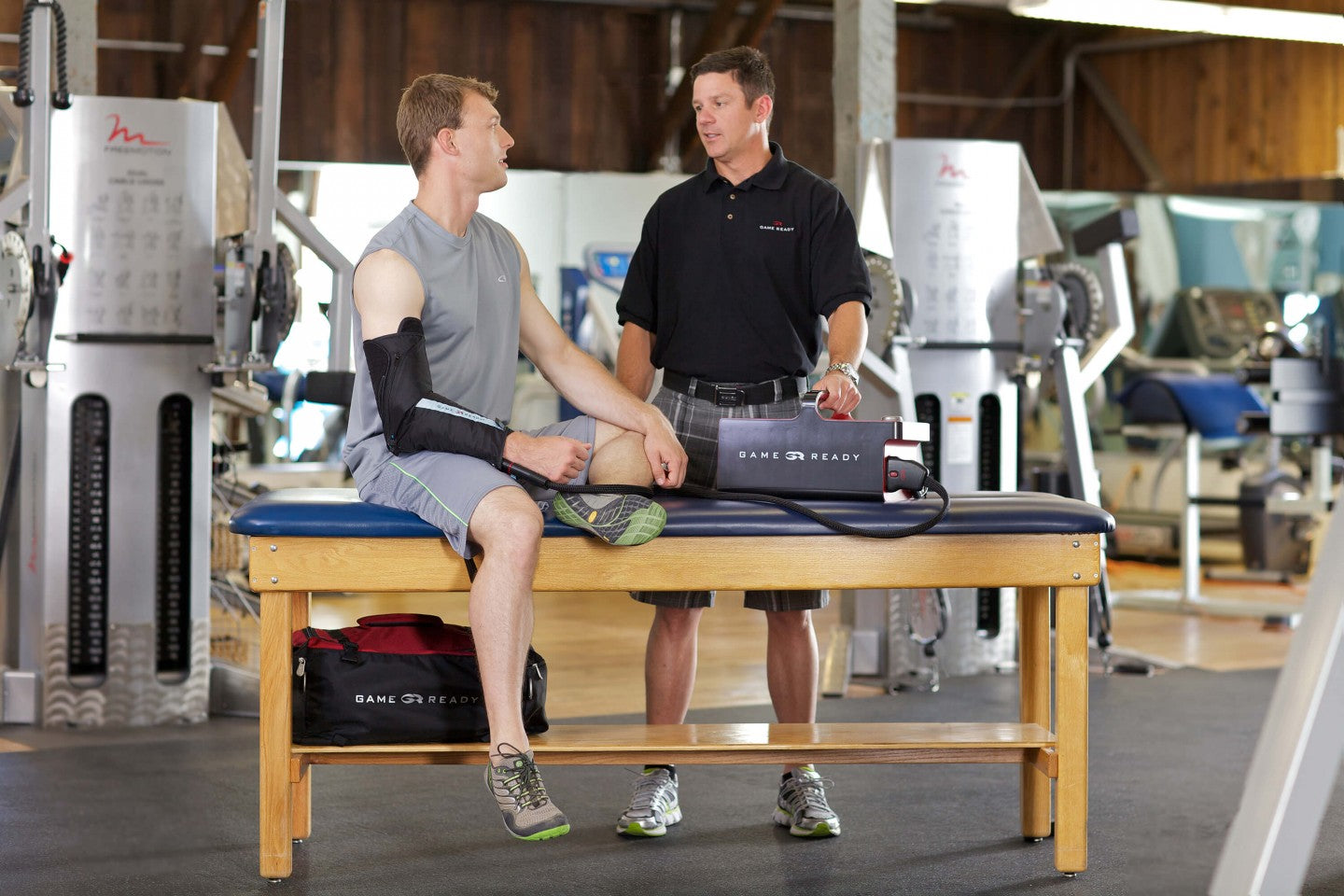
Ask which preparation tasks are required, how the instructions will be accessed and whether fitting or operating help is needed.
If the explanation will be remote, consider how the intended user will take part. Can they manage the phone or screen while handling the accessory? Will someone be available to help if the task requires two people?
Those questions make remote support more specific. They also help identify when a practical arrangement needs to be addressed before the equipment is relied upon.

Include supplies and storage
Identify any supplies the product requires and whether they will be available where it is used. Ask about the manufacturer's preparation and storage requirements for the exact item.
A product may be portable while depending on access to power, charging, freezer space or other resources. The relevant demands should be made clear before comparing convenience.
Avoid substituting an improvised routine when a required resource is missing. Ask the appropriate supplier or clinical team how the plan should be addressed.
Follow a service issue all the way back
Ask where an equipment problem would be assessed, which questions can be handled remotely and what transport would be involved if a return were required.
Clarify costs and the process for updates. A national sales presence does not by itself establish the same service arrangement in every location.
For rented equipment, include the end-of-rental return in the planning. Confirm what is required and who will carry it out. For purchased equipment, keep the warranty and service information accessible.
Give the local arrangement a written description
Before committing, summarise the intended use, confirmed logistics, preparation requirements, help available and route for support. Identify any unresolved item and the person who will answer it.
HealFaster Canada's rental information can be a starting point for a specific inquiry. The useful next conversation concerns the actual address and agreement, rather than an assumption based on a general national statement.
Access becomes more meaningful when the person can explain how the equipment will fit the place where they live. That is the standard a Canadian recovery-equipment discussion should aim to make visible.