How to Ask for Clarity When You Feel Unsure About Recovery

Uncertainty during recovery can concern a symptom, an instruction, an equipment task or the demands of managing at home. The helpful response depends on which question the person is actually asking.
“I am not sure” deserves a follow-up question before it receives reassurance.
Identify the concern in ordinary language
Ask what the person is uncertain about. Is it the purpose of the next task, whether an activity is appropriate, how a device works or who will help when they get home?
These questions point to different sources of support. A supplier may be able to explain a connector or control. A health concern or uncertainty about clinical progression belongs with the appropriate professional.
Naming the concern accurately prevents a confident equipment demonstration from being mistaken for a complete answer about recovery.
Avoid treating hesitation as poor commitment
A person can want to recover and still find a task worrying or difficult. Repeating an instruction more firmly may leave the actual issue untouched.
The systematic review of therapist-patient relationships in rehabilitation found associations between the relationship and some outcomes, with limits in the evidence. It supports taking communication seriously without claiming that confidence itself cures an injury.
For the conversation, the useful question is what understanding or assistance would help the person take the next appropriate step.

Make an explanation observable
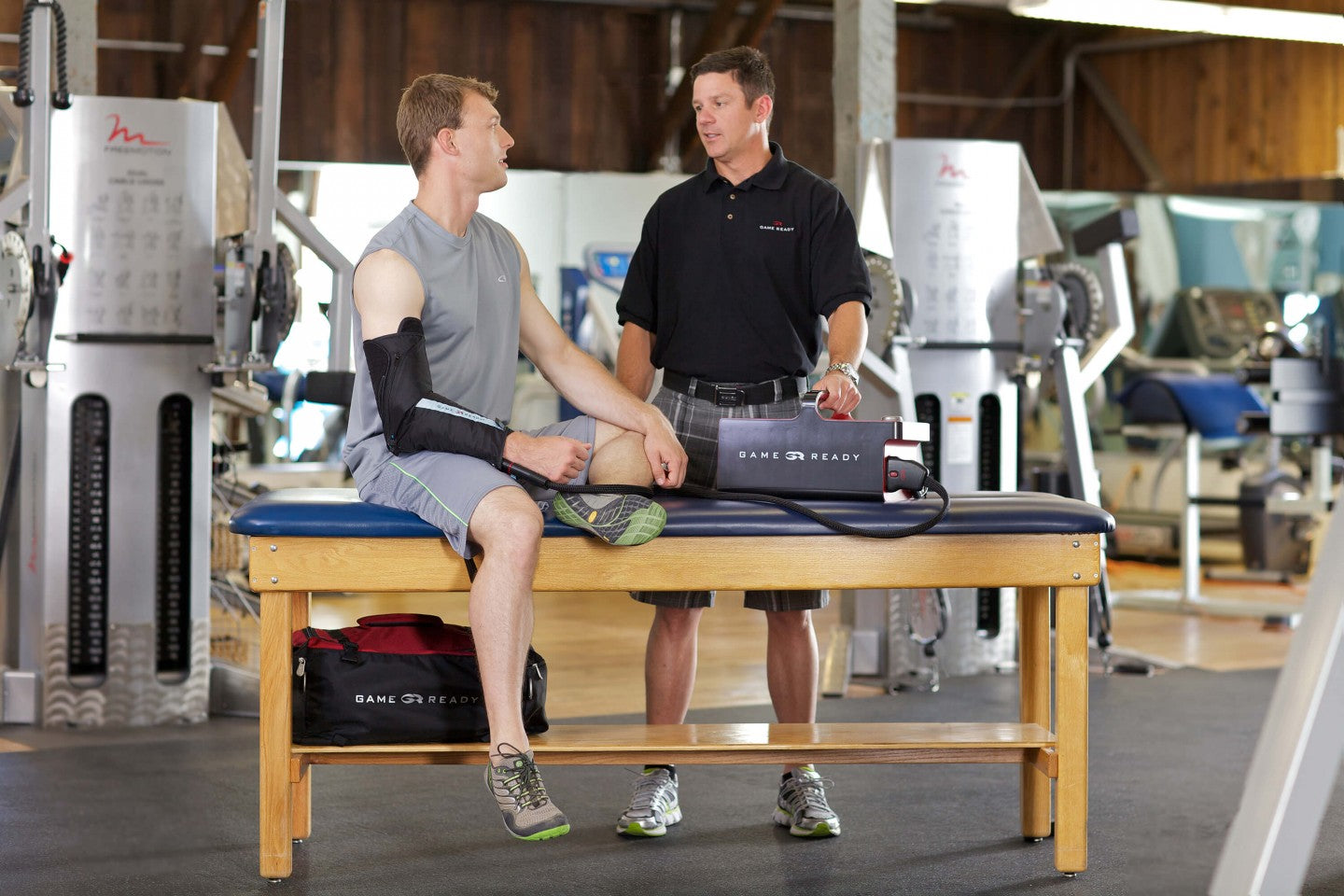
After explaining an equipment task, invite the person to show or describe the relevant step. Check whether they can find the instruction, reach the accessory and identify the control being discussed.
If a helper will be involved, include them with the patient's agreement. A routine that requires assistance should not be presented as independent simply because one part of it is easy to demonstrate.
When the concern is about a clinical task, ask the treating team to clarify its purpose and the relevant precautions. The aim is a clearer explanation, not pressure to proceed while an important question remains unanswered.
Preserve the person's goal
Ask what activity the person wants back and which part feels uncertain now. That can connect a technical or clinical explanation to something meaningful in daily life.
It also helps identify when the issue extends beyond equipment education. Persistent distress or uncertainty affecting everyday functioning may need support from an appropriate health professional.
A supplier does not have to solve every concern to respond usefully. It can listen, clarify what it can explain and help the person identify where the remaining question belongs.
Finish with a route for the next question
Ask the person to describe whom they would contact if the same concern returned. Check that the contact information is accessible and that the difference between technical and clinical support is understood.
This is a practical form of reassurance: the person knows what has been explained and how to obtain help when something remains uncertain.
Recovery conversations become more useful when questions are treated as information. The goal is to understand what the person needs to know, then connect them with an answer that fits the actual concern.