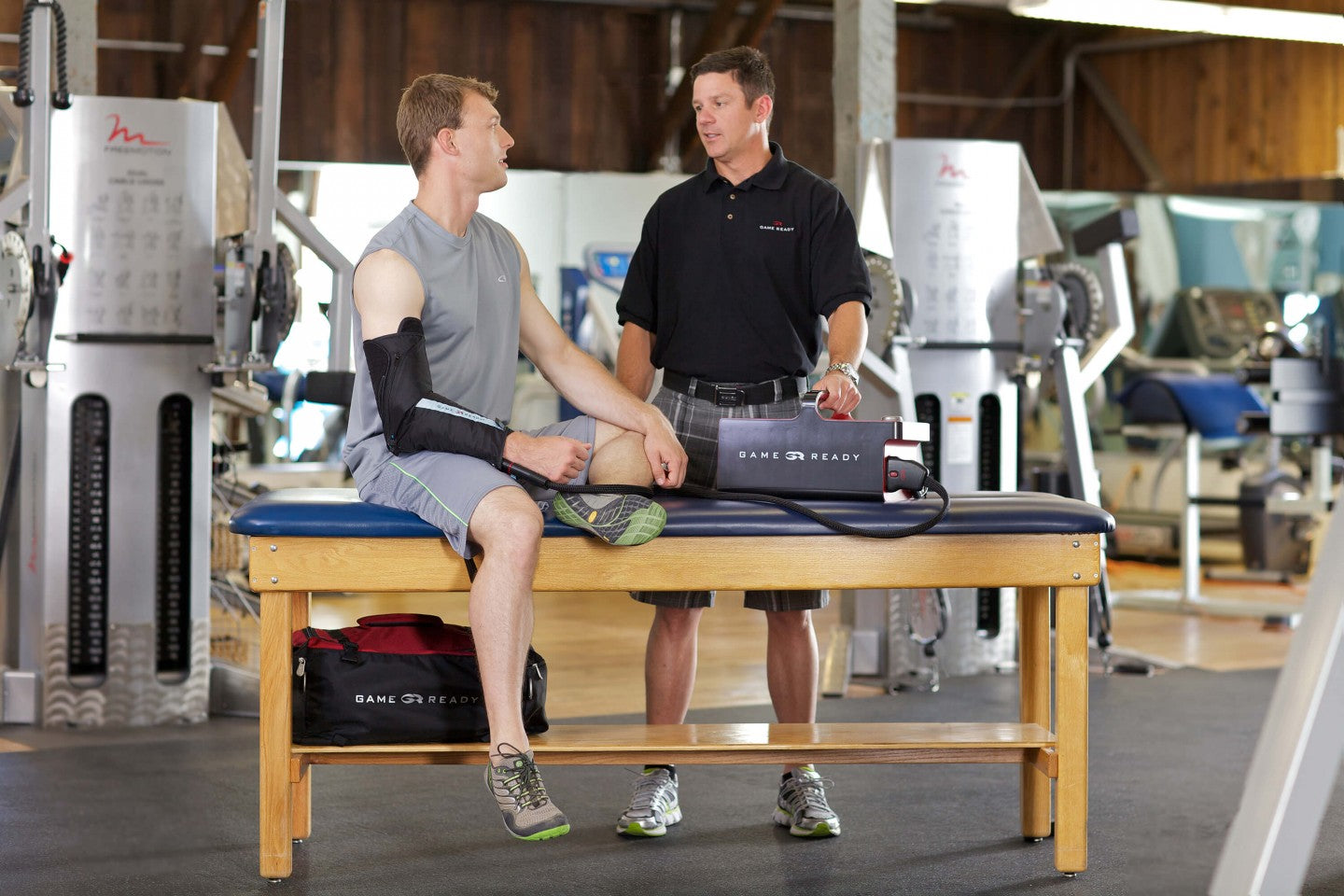

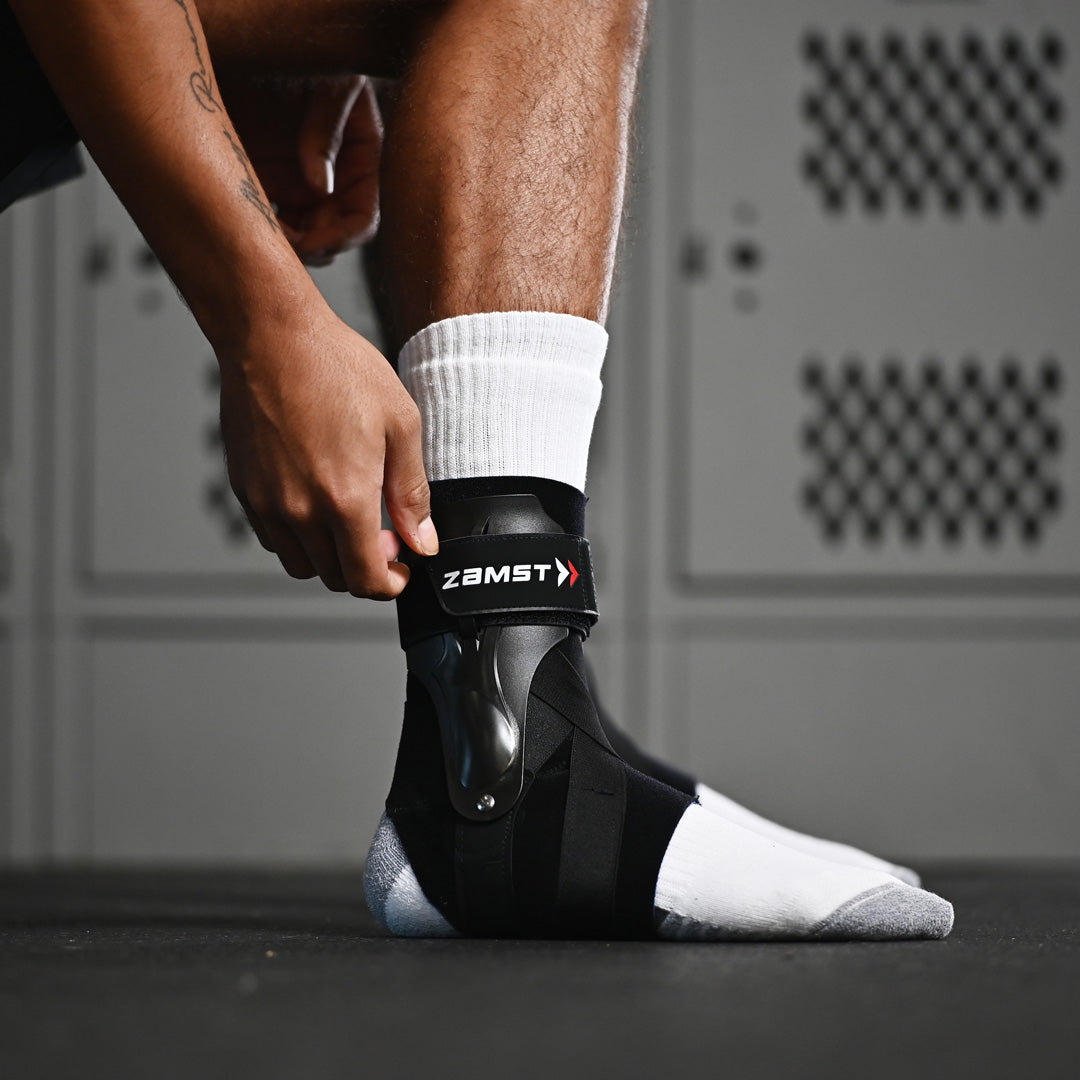
Finding the Actual Barrier When a Recovery Task Is Not Happening

When a recommended recovery task is repeatedly missed, begin by asking what happens when the person tries to do it. Forgetting, uncertainty, physical difficulty, unavailable help and a health concern require different responses.
Calling all of them a motivation problem makes the next step harder to identify.
Investigate one attempt
Ask the person to describe or, where appropriate, demonstrate the task. Where do they stop? Which part is unclear? What do they expect will happen?
Keep the conversation specific. “The equipment is difficult” may mean that a connector cannot be reached, the instructions are hard to find or the person is unsure whether they should use it that day.
Each answer points somewhere different. A technical explanation may address an operating step. A clinical question needs the treating team. A missing helper is a practical arrangement that needs review.
Do not confuse a clear instruction with a workable routine
Someone can understand what has been recommended while being unable to carry it out in the available circumstances. Repeating the explanation may leave the obstacle unchanged.
An older systematic review of physiotherapy adherence identified factors including support, confidence and perceived barriers. Its relevance here is the range of issues worth exploring, not a guarantee that any single intervention will solve them.
A useful practical response begins with the barrier that has actually been described.

Match the response to the problem
Forgetting a task may lead to a discussion about reminders. Difficulty reaching an accessory may require an appropriate fitting explanation or help. Fear about a symptom requires a clinical conversation.
Consider an illustrative home user who can operate a control but cannot manage the equipment preparation alone. Another demonstration of the control panel does not make the preparation possible.
The next action should be to identify an appropriate arrangement with the relevant team or supplier. It should not be to pressure the person to perform a task they cannot manage or change the prescribed routine without advice.
Preserve responsibility while examining the process
Investigating a barrier does not mean the agreed task no longer matters. It means responsibility can be discussed alongside the conditions needed to carry it out.
Ask what help or clarification would make the next attempt workable. Agree who will follow up and where the unresolved question belongs.
This gives the person a more useful response than a general instruction to try harder. It also gives a service something concrete to review.
Notice the question that keeps returning
If several people raise the same operating difficulty, look at the instructions, demonstration or interface. The repeated question may reveal something an experienced staff member no longer notices.
Record the specific step, the explanation given and whether the difficulty was resolved. A clearer setup process is worth improving in its own right. Claims about clinical outcomes need their own assessment.
For a recovery-equipment business, this is a practical responsibility: explain the product through the tasks the intended user must perform. A recommendation becomes more useful when the service can identify where it breaks down in ordinary life and help the right person address that point.