Cold Water Immersion After Strength Training and Muscle Growth

Repeated cold-water immersion immediately after resistance exercise raises a different question from an occasional cold exposure or local postoperative cold therapy. When muscle growth is a priority, the timing and purpose of immersion deserve attention alongside any short-term benefit the person values.
A method chosen for how you feel tomorrow may need a different discussion during a muscle-building phase.
Read the actual finding
A 2024 systematic review and meta-analysis reported that repeated immediate postexercise cold-water immersion may attenuate resistance-training-induced muscle growth. The authors also identified limitations in the underlying evidence.
That is a specific finding about a use pattern. It does not establish that every cold exposure undermines training or that there is one proven waiting period suitable for everyone.
Keep the method, timing and outcome together when interpreting the result.
Identify the priority of the current phase
Ask what the training block is intended to develop. If muscle growth is central, discuss routine immediate immersion with the professional guiding the program.
If the person is facing a different demand, such as a competition schedule, the conversation may involve a different balance of goals. The choice should make that balance explicit rather than assume that one recovery method belongs after every session.
The research does not make the person's goal disappear. It provides information that can help the relevant decision-makers weigh the intended contribution.

Distinguish local cold from immersion
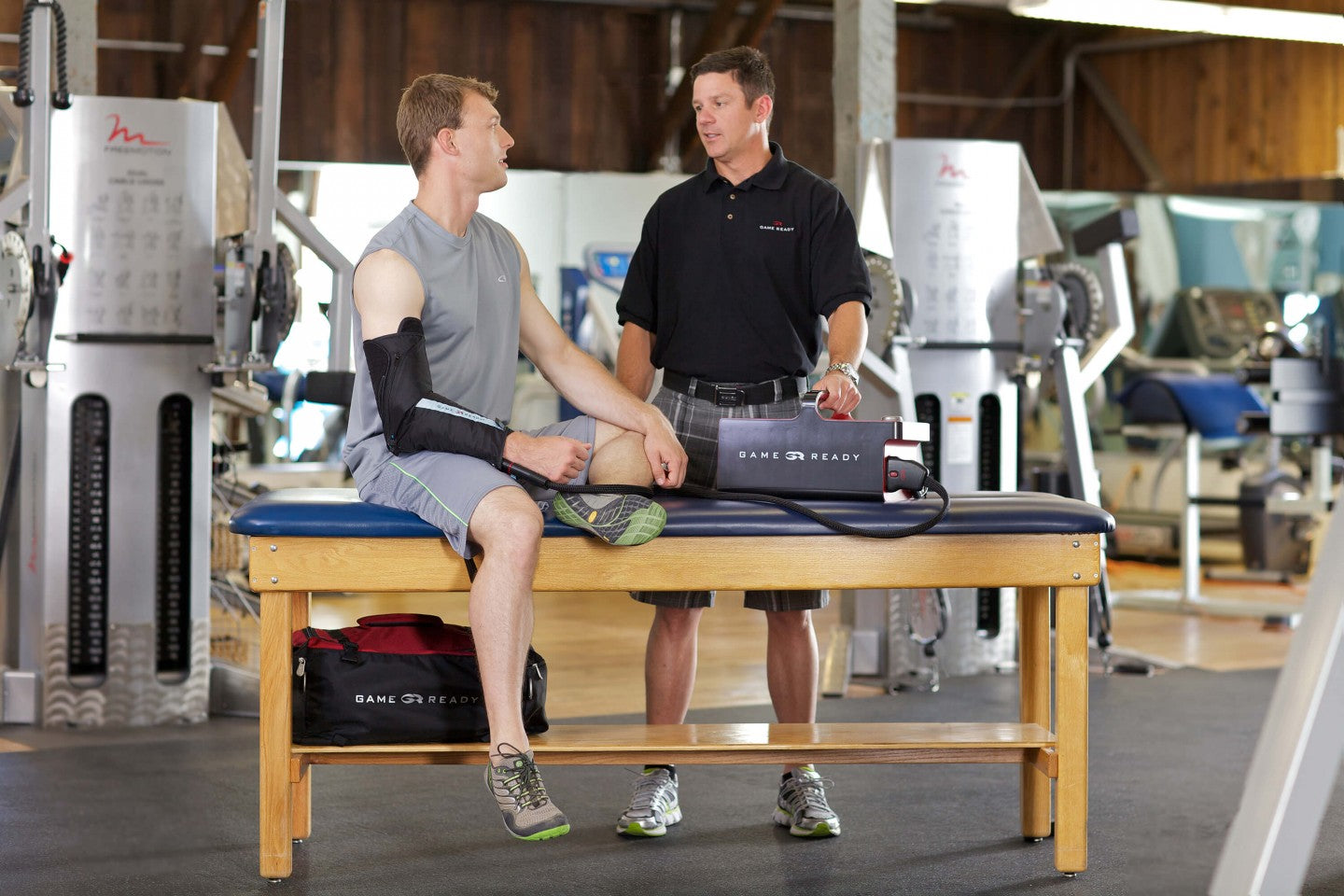
A cold wrap used within a postoperative plan and an ice bath after lifting are different interventions. Evidence about repeated immersion should not be used to override a patient's prescribed local treatment.
Likewise, a product being described as cold therapy does not tell you that the same research applies to it. Ask whether the proposed use resembles the intervention that was studied.
This is a useful distinction for suppliers as well as athletes. A clear category explanation can prevent a broad recovery headline from being applied to the wrong situation.
Examine the repeated habit
A routine may continue because it was useful in another phase or because it has become part of the post-training ritual. Revisit its purpose when the training goal changes.
Ask what it is intended to contribute now and what evidence supports that use. Include the time and preparation it requires in the decision.
This review does not require treating the method as universally good or bad. It requires explaining why it has a place in the current program.
Avoid inventing a timing rule
A general article should not turn limited research into a precise personal schedule. Discuss the relevant uncertainty with the coach or clinician who understands the individual context.
The most useful question is whether a repeated habit supports the priority of the phase. If the answer is unclear, seek a better explanation before treating the routine as a fixed requirement.
Recovery methods are more useful when their purpose can change with the training plan. The goal is a considered choice about this use of cold, in this phase, for this person.