Choosing an Ankle Brace for Your Recovery Plan

An ankle brace should be considered for a defined purpose, with appropriate assessment, sizing and a plan for how it will be used. The brace's fit, its interaction with footwear and the wider rehabilitation or sport context all affect the decision.
Choosing the most substantial-looking brace does not answer those questions.
Establish why support is being considered
An athlete seeking support after a previous problem, a person with a new injury and someone buying a brace because a professional athlete wears it bring different questions.
For an injury or instability concern, seek the relevant assessment and guidance before selecting the routine. The product discussion should follow a clear purpose.
The 2021 lateral ankle-sprain clinical practice guideline addresses external support alongside rehabilitation interventions. It is a useful reminder to discuss the brace within a care plan rather than expect it to provide every part of recovery.
Compare the actual design
Ask which movements or activities the design is intended to support and how the brace is fitted. Use the manufacturer's description for the exact model.
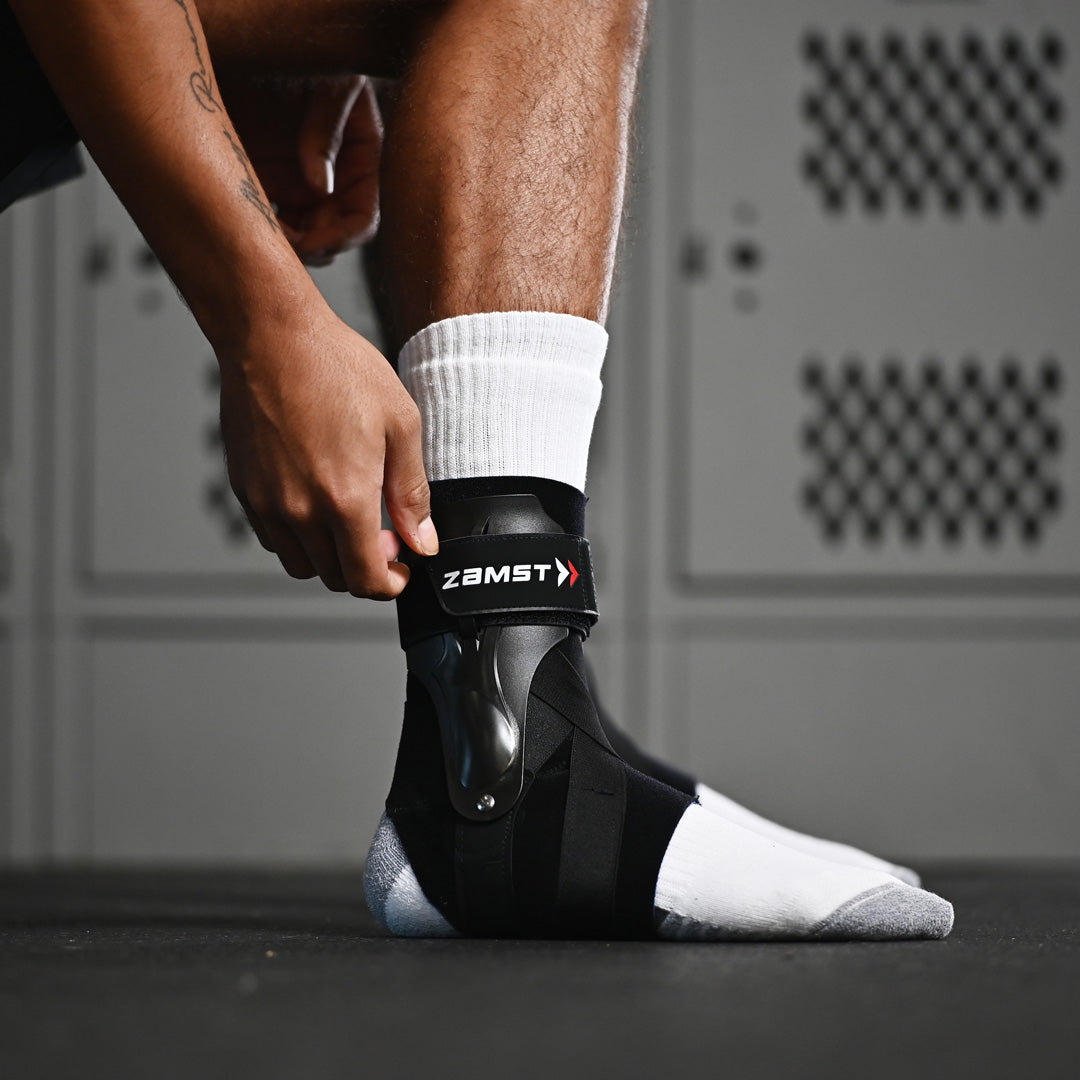
HealFaster Canada offers Zamst bracing. A model name should lead to an explanation of its intended use, sizing and fitting requirements, rather than an assumption that the same brace suits every ankle or sport.
If professional guidance has identified a particular requirement, bring that information into the supplier conversation. A generic category comparison may leave the relevant detail unresolved.

Bring the footwear into the fitting discussion
A brace used for sport has to be considered with the footwear and activity involved. Ask how to check the intended fit under the applicable instructions.
Where an appropriate fitting trial is available, use the shoe and sock arrangement relevant to the product. Check that you understand the fastening sequence and can manage it yourself or with the help that will be available.
Do not treat an uncomfortable or concerning response as evidence that the brace is providing stronger support. Clarify fit and clinical questions through the right professional or supplier.
Keep rehabilitation and return decisions visible
A brace may have a specific role while other aspects of rehabilitation remain important. Ask the treating team how it fits the current stage and how use will be reviewed.
The athlete's confidence matters as part of the experience, but confidence in a brace does not alone establish readiness for every demand of sport. The relevant clinical and training decisions should remain clear.
This is particularly useful when moving between ordinary activity, practice and competition. The same word “support” may conceal different expectations in each setting.
Check the practical ownership details
Ask about care instructions, the supplied configuration and any relevant exchange or return conditions before purchase or use. Confirm which measurements are needed rather than relying only on a general clothing or shoe size.
If the brace does not fit the intended routine, explain the actual difficulty. That gives the professional or supplier a more useful question than simply asking for something stronger.
A good bracing decision connects the reason for support with the specific product and the person's wider plan. The goal is an understandable role for the brace, with fit and follow-up treated as part of the choice.