
What More Day Surgery Means for Recovery at Home in Canada

As more joint replacements are performed as day surgeries, the practical arrangements after discharge deserve explicit attention. Delivery, patient education, help at home and follow-up need to form a usable plan from the patient's perspective.
Moving recovery home changes who carries out the next task.
What the Canadian numbers show
The Canadian Institute for Health Information's 2024–2025 joint-replacement report records 175,242 hip and knee replacements in Canadian public hospitals. Among replacements due to osteoarthritis, 35.8% of hip procedures and 31.1% of knee procedures were day surgeries.
Those figures describe surgical activity and care settings. They do not establish that every patient is suitable for day surgery or that one home-recovery service produces better outcomes.
They do give scale to an operational question: when the patient leaves, which tasks have actually been arranged, and which are still waiting for someone to act?
Treat the transition as a transfer of work
Inside a facility, people may have immediate access to staff, supplies and operating information. At home, patients and caregivers may need to find, prepare and coordinate those resources themselves.
A recommended item can be part of an appropriate plan while delivery or fitting remains unresolved. An appointment can be mentioned while nobody has completed the booking.
I think those distinctions should be visible in the discharge-to-home experience. “Equipment recommended” and “equipment available with an understood setup” describe different stages of work.
Look at the first unanswered question
One useful service-design exercise is to follow an ordinary patient question from the place it arises to the place it can be answered.
Can the patient find the right contact? Does the receiving person understand the question? Is an equipment issue being passed to a clinical team, or a clinical concern being treated as a technical fault?
The point is to reveal an organisational gap, not make one professional or supplier responsible for every aspect of care. A clear division of expertise should make the route easier for the patient to navigate.

Evaluate readiness in practical terms
Ask the patient and caregiver to explain what is organised for the next stage. Which supplies or equipment are available? What help is expected? What remains to be booked or confirmed?
These questions supplement the clinical team's discharge process; they do not replace it. Their purpose is to identify practical work that may otherwise remain hidden behind a completed document.
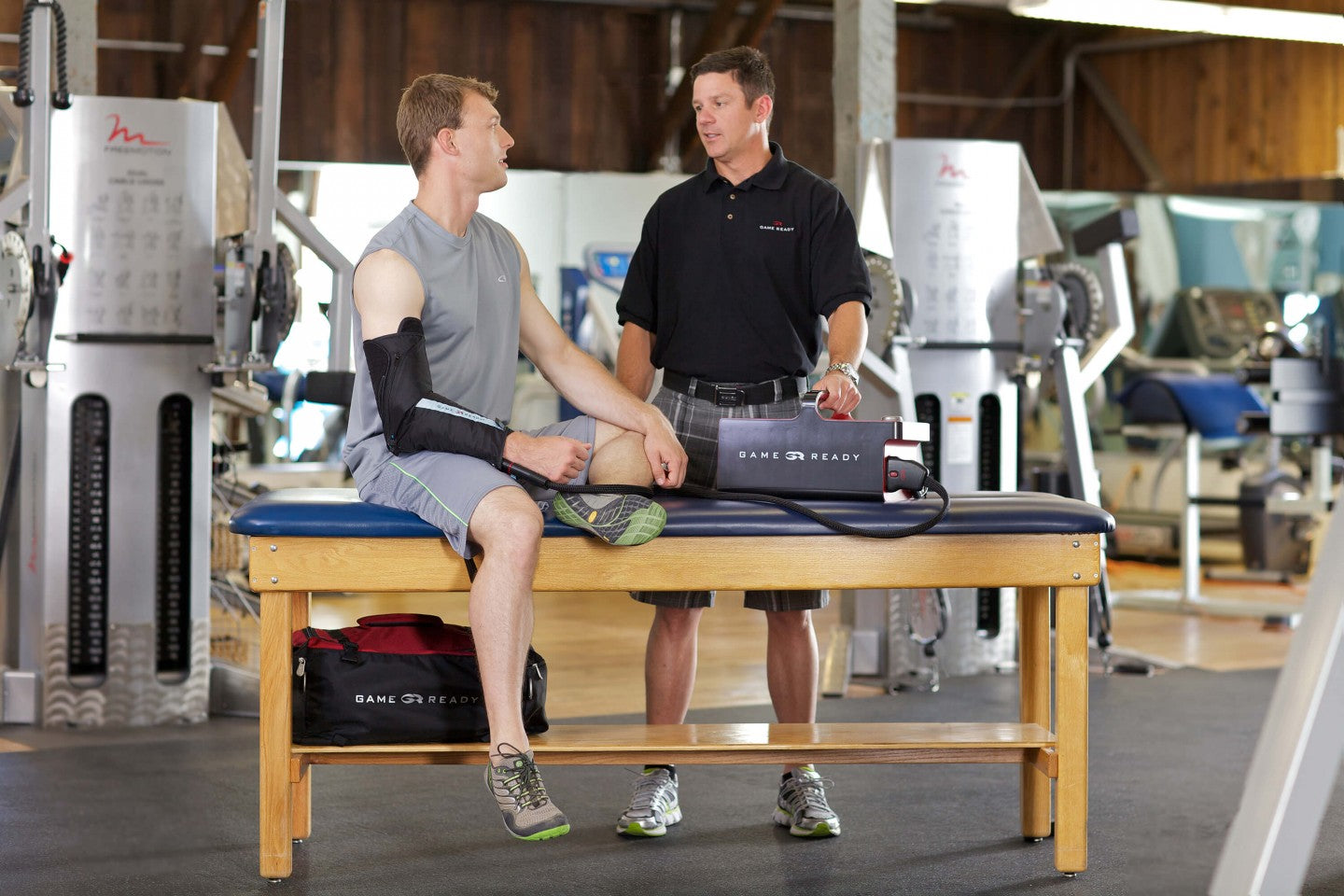
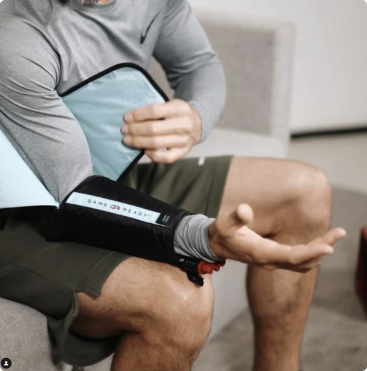
For recovery equipment, the supplier can help explain operating requirements, confirmed logistics and technical support. Clinical suitability and progression remain with the treating professionals.
Make the handover accountable
I would like recovery-equipment discussions to include one question more often: who confirms that the home arrangement is workable? A delivery confirmation, a clinical recommendation and a patient's understanding each describe a different part of that arrangement. All can be recorded while one important task is still unresolved.
For suppliers, the contribution within our control is specific. Confirm what has been arranged, explain the product's operating requirements and make the route for unresolved questions clear. That is a useful standard to assess without claiming responsibility for every part of a patient's rehabilitation.
Make the improvement small enough to assess
A service does not need to redesign the entire Canadian pathway to learn something useful. Choose a recurring unresolved question and examine how it reaches an answer.
Record the question, the route, what was missing and whether the patient understood the resolution. If the explanation changes, review the same issue again. These are service observations, not proof of fewer complications or faster rehabilitation.
From my perspective at HealFaster Canada, this is a practical opportunity for equipment suppliers and clinical partners to contribute. Better access includes making the work around the product understandable at the point where the patient has to do it.
The Canadian day-surgery trend makes that work increasingly visible. The quality question worth asking is what happens after the patient reaches the front door at home.