Five Recovery Marketing Claims Worth a Second Question

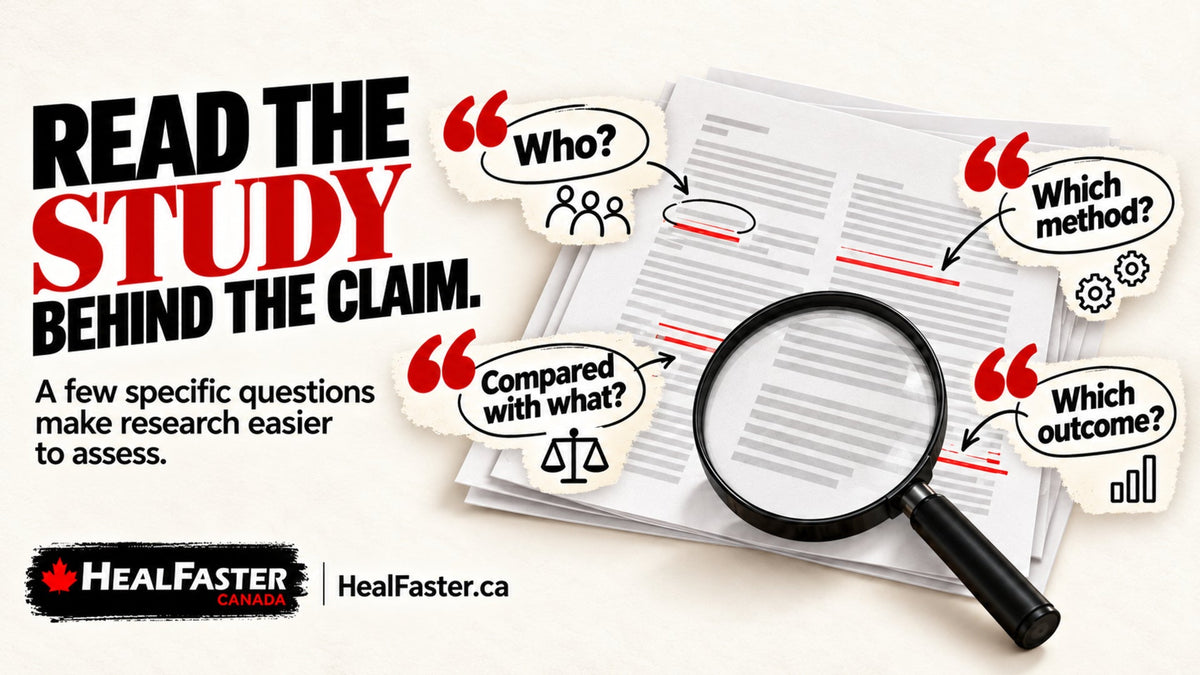
A recovery claim deserves a second question when its wording promises more than the supporting evidence measured. The most useful checks concern the outcome, the product, the population, the comparison and the basis for trust.
The problem is often a small change in language that creates a much larger promise.
When symptom relief becomes faster healing
A study may report a change in soreness or discomfort. A headline may then describe the whole recovery as faster.
Ask which outcome actually improved and when. A symptom benefit can be meaningful without establishing faster tissue repair, an earlier return to work or readiness for sport.
The second question is: “What evidence supports the wider outcome named in the headline?”
When a category study becomes proof for every model
Research may assess a particular method or protocol while a product page implies that every device in the category has the same demonstrated effect.
Ask whether the actual model or a directly relevant intervention was studied. If the evidence is indirect, the explanation should say how it relates to the product and where the uncertainty remains.
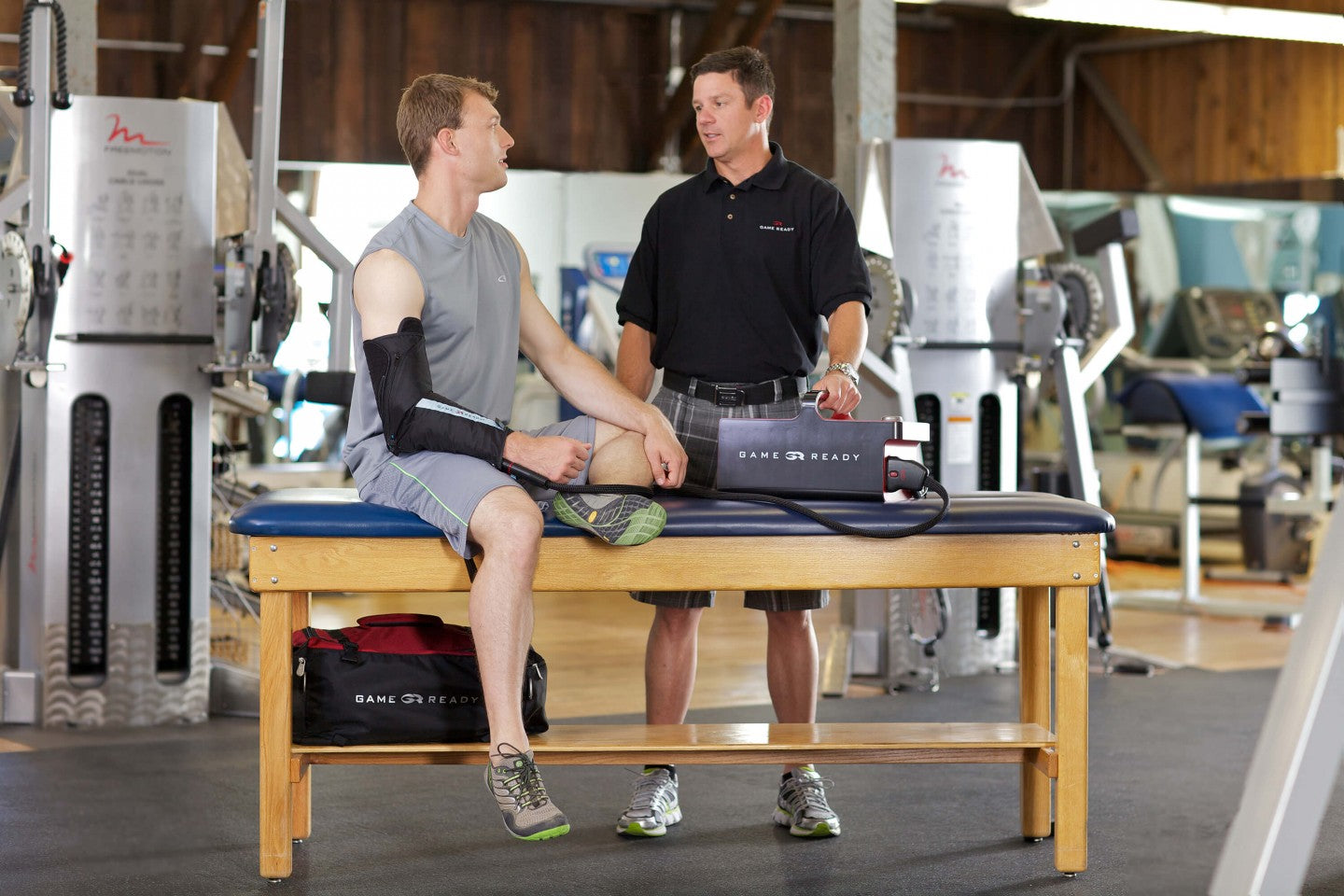
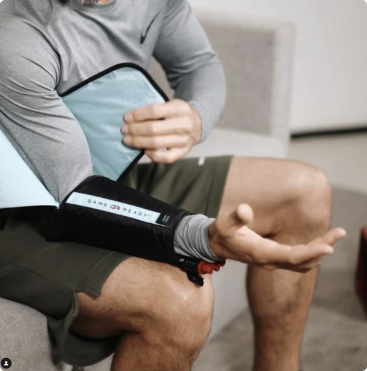
Useful product features can still be described through operating information and demonstrations. They do not need to borrow a clinical result that has not been established for them.
When one population becomes everyone
An adult exercise study may be used in a discussion about surgical patients, children or another clinical group. The connection needs to be explained rather than assumed.
Ask who took part and why the finding is relevant to the proposed use. A qualified professional may identify a reasonable role, but the marketing should preserve the distinction between direct evidence and an inference.
The second question is: “Does the supporting research describe people and circumstances like these?”

When a mechanism becomes a guaranteed outcome
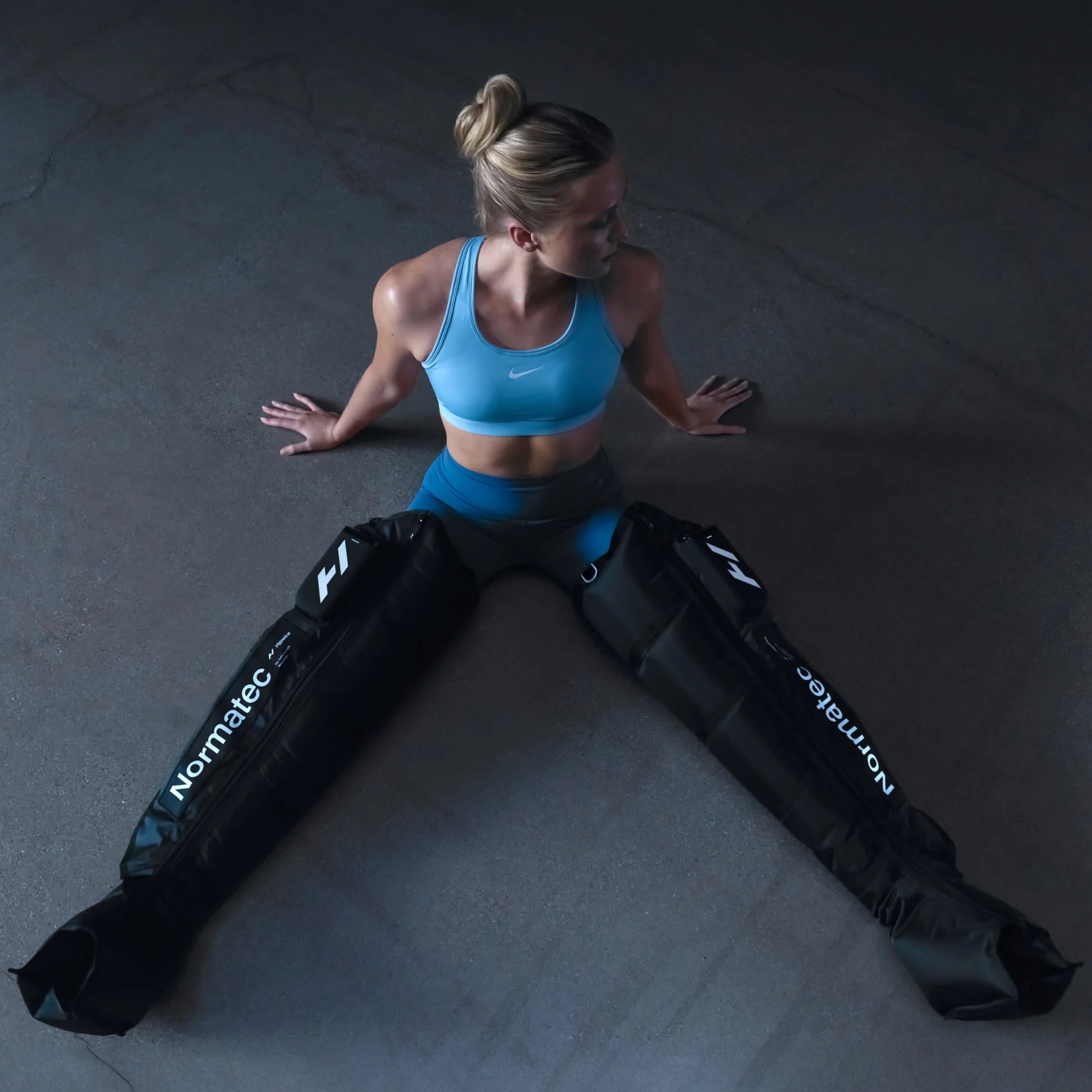
A product may change pressure, temperature or another input. That description can help explain how it operates.
The next step is the important one: does relevant evidence show the outcome being promised? A plausible mechanism is one part of an explanation, not a shortcut past the outcome question.
Ask which result has actually been measured and whether the size of the finding matters for the decision you are making.
When an endorsement replaces the explanation
An athlete, team or clinic using a product can provide information about adoption and experience. It does not prove that every user will obtain the same result.
Ask what role the product serves in that setting and what support surrounds it. Then return to the purpose and evidence relevant to your own circumstances.
The same standard should apply when HealFaster Canada discusses a brand we represent. Our commercial relationship should be clear, and the explanation should remain worth examining on its own.
Apply the questions to the seller making them
HealFaster Canada sells recovery products, so these questions should apply to our own explanations. I do not think credibility comes from presenting every product as suitable for every goal. It comes from making a recommendation that remains understandable when a customer asks about the evidence, alternatives or limits.
A useful product should not need its claim enlarged to justify attention. A clearer description may be less dramatic, but it gives the buyer a better basis for deciding whether the contribution matters to them.
Reward the answer that stays specific
A credible supplier should be able to describe the supported benefit, the context and the uncertainty in understandable language. A narrower claim can still provide a strong reason to consider a product.
For the next recovery headline you see, identify the word doing the most work. Is it “faster,” “proven,” “everyone” or “best”? Ask what evidence supports that word in the actual situation.
That single question can reveal whether the promise and the proof are still describing the same thing.