Before You Share Recovery Equipment at Home

A household can share ownership of some recovery equipment without sharing the same fit, instructions or clinical needs. Before treating one purchase as suitable for several people, check whether shared use is permitted and how the actual product should be prepared between users.
The useful question is what changes when the next person puts it on.
Check whether sharing is appropriate for the product
Ask the supplier about the exact model, accessories and intended setting. Confirm the manufacturer's instructions and any conditions in a rental or purchase agreement.
Some items or components may have requirements that make assumptions about sharing inappropriate. A product being easy to pass to another person does not establish that shared use has been addressed.
For a rental, clarify who the agreement covers before changing the user. For owned equipment, check the relevant use and care instructions rather than relying on a general rule for the category.
Fit each person separately
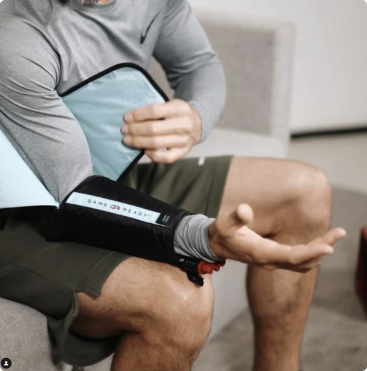
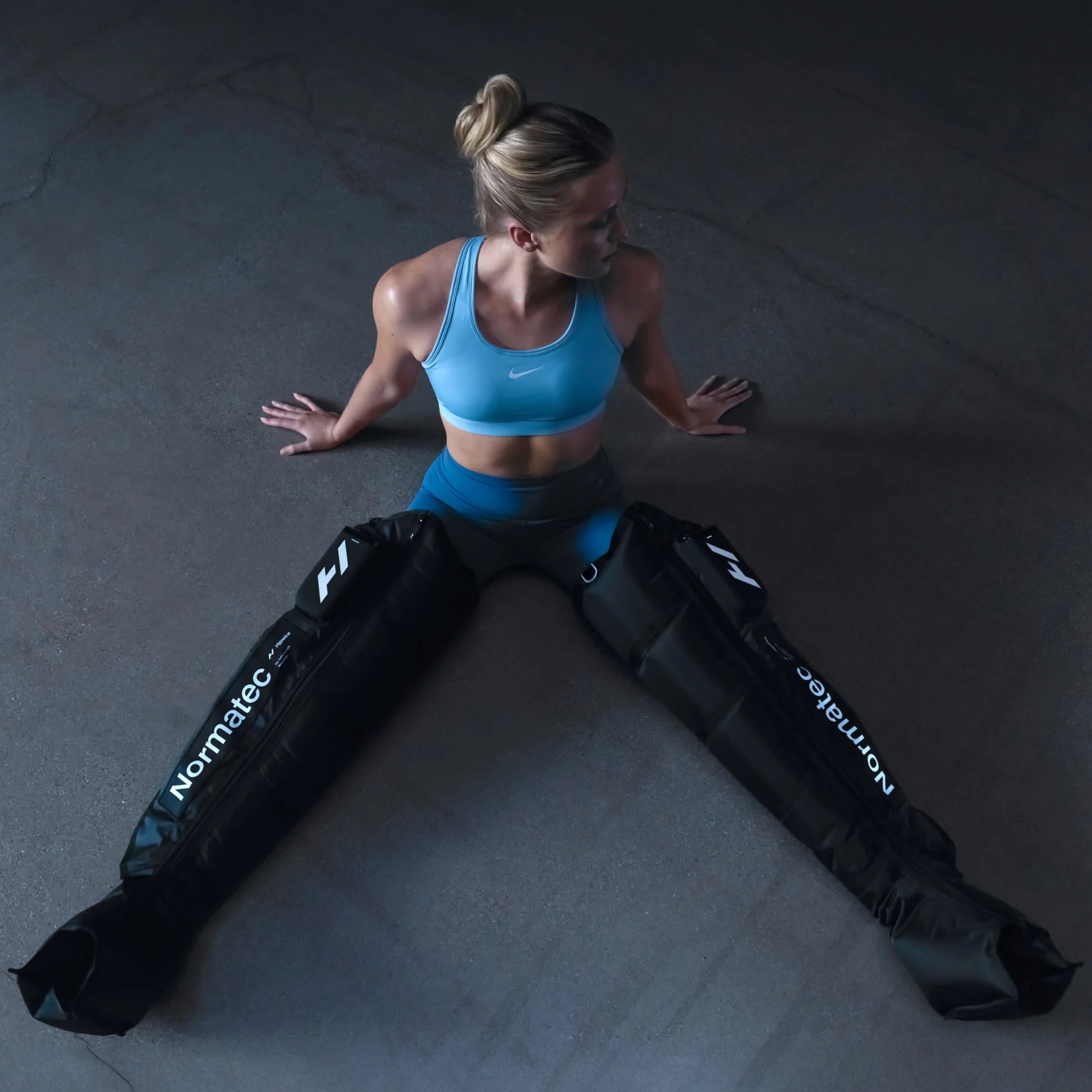
A garment, wrap or cuff should be considered through the actual sizing guide and compatibility information. Another household member's fit is not a substitute for that check.
For products such as BFR cuffs, operating settings also need individual context. The BFR methodology position stand explains why cuff pressure cannot simply be copied between different people and cuffs.
Keep any clinical or training directions attached to the person they were intended for. A shared device should not become a shared prescription.

Follow the product's cleaning and preparation requirements
Ask which instructions apply to the equipment and accessories between users. Use the approved methods for the exact item; do not assume that a household cleaning product is compatible.
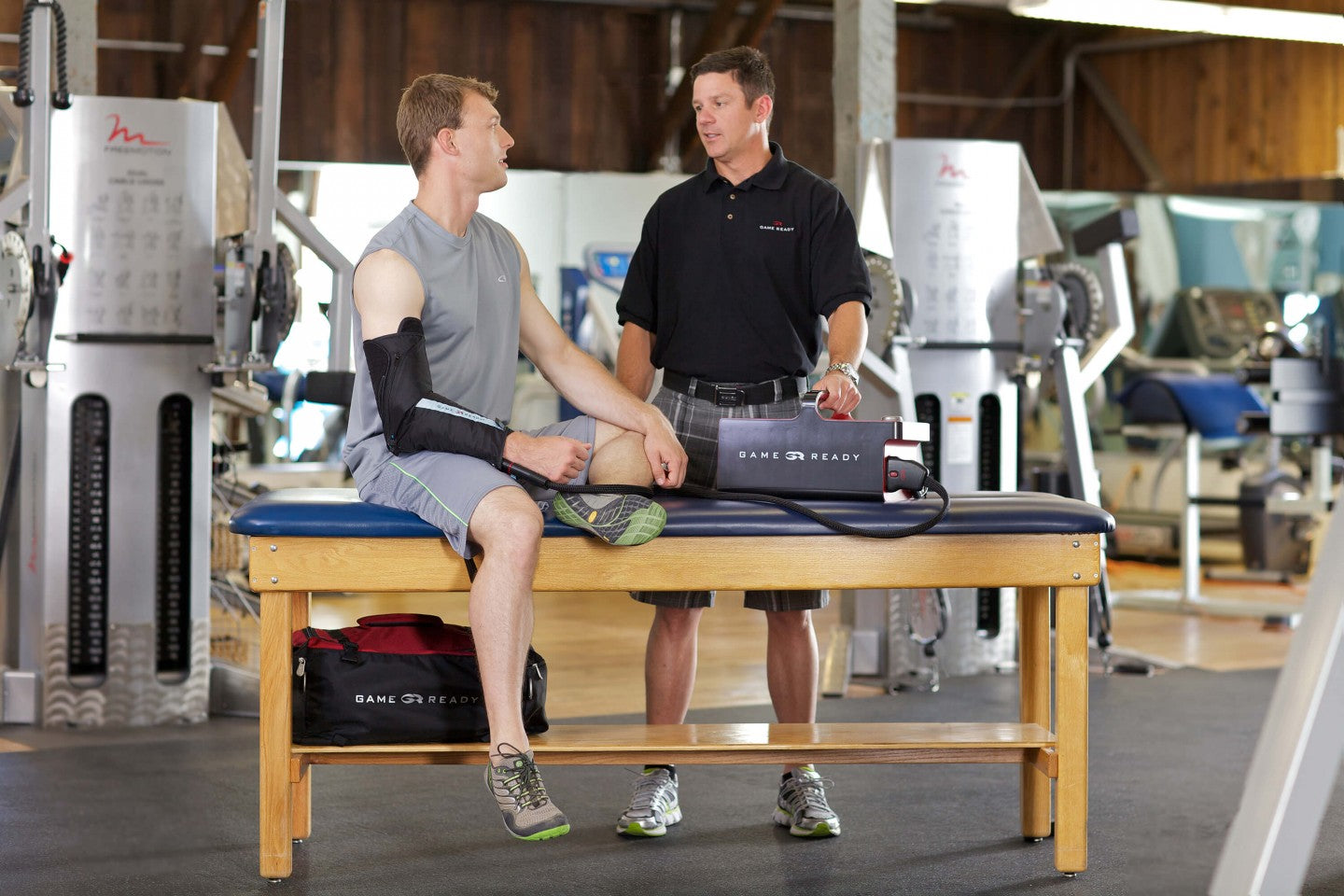
The Game Ready support resources, for example, distinguish control units and wrap information. Check the guidance relevant to each component rather than treating the whole system as one washable object.
If the preparation process is unclear, resolve it with the supplier before sharing. A convenient storage arrangement is useful only when the product remains prepared as required.
Prevent settings from becoming assumptions
Identify what the next user needs to check before starting. A previous session's controls or accessory configuration may not describe the next person's intended routine.
For equipment linked to clinical care, keep the individual directions accessible. Ask the treating professional about suitability instead of assuming a method recommended to one family member is appropriate for another.
The same distinction matters for children. An adult's device routine or research evidence should not be extended to a younger user without the appropriate assessment and product guidance.
Include the shared work in the buying decision
Discuss who will prepare, clean, charge and store the equipment. Check whether the available sizes and time slots fit the people expected to use it.
If the purchase depends on being shared, confirm those details before counting several users in the value calculation. One suitable user and several possible users are different assumptions.
A household purchase becomes easier to assess when each intended user has an appropriate fit and purpose, and the preparation between users is understood. Shared ownership can be a practical arrangement when the details are confirmed rather than taken for granted.