What I Look For Before Bringing a Recovery Product to Canada

After more than a decade in orthopaedic and health distribution, I think a recovery product deserves attention when its benefit, use case and ownership demands can be explained clearly. A compelling demonstration is the start of that evaluation.
The question I want answered is what changes for the person who will use it in Canada.
Start with the unmet need
Describe the problem before describing the technology. Who has the need, what are they trying to do and which appropriate alternatives already exist?
That prevents novelty from doing the work of relevance. A new control, material or delivery format may be useful, but its contribution should be connected to a real task or outcome.
The same product can represent a different opportunity for a clinic, a team and a patient at home. I want that difference to appear early in the discussion.
Put the evidence beside the exact claim
Ask what has been measured and how it relates to the proposed use. Keep a mechanism, a user preference and a clinical result distinct enough that the reader can judge each one.
If the evidence is indirect or uncertain, explain the gap. A promising product can still be worth considering while a particular question remains unanswered.
This is also a standard for our own writing. A strong explanation should make the benefit easier to understand without enlarging it every time the sentence is shortened.
Examine the work the product introduces
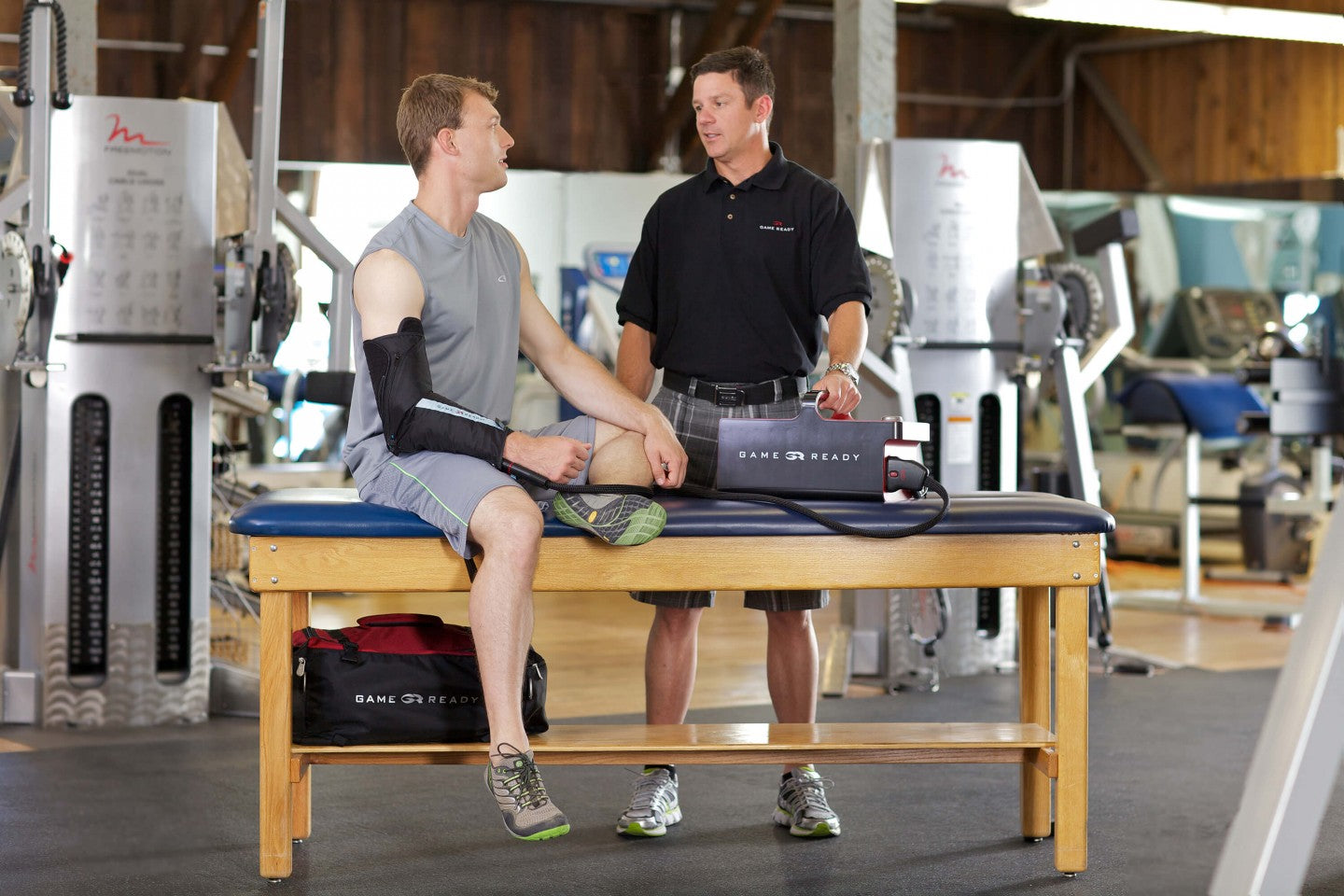
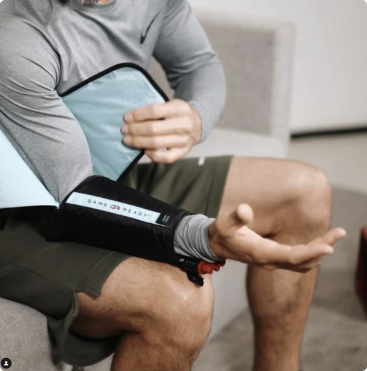
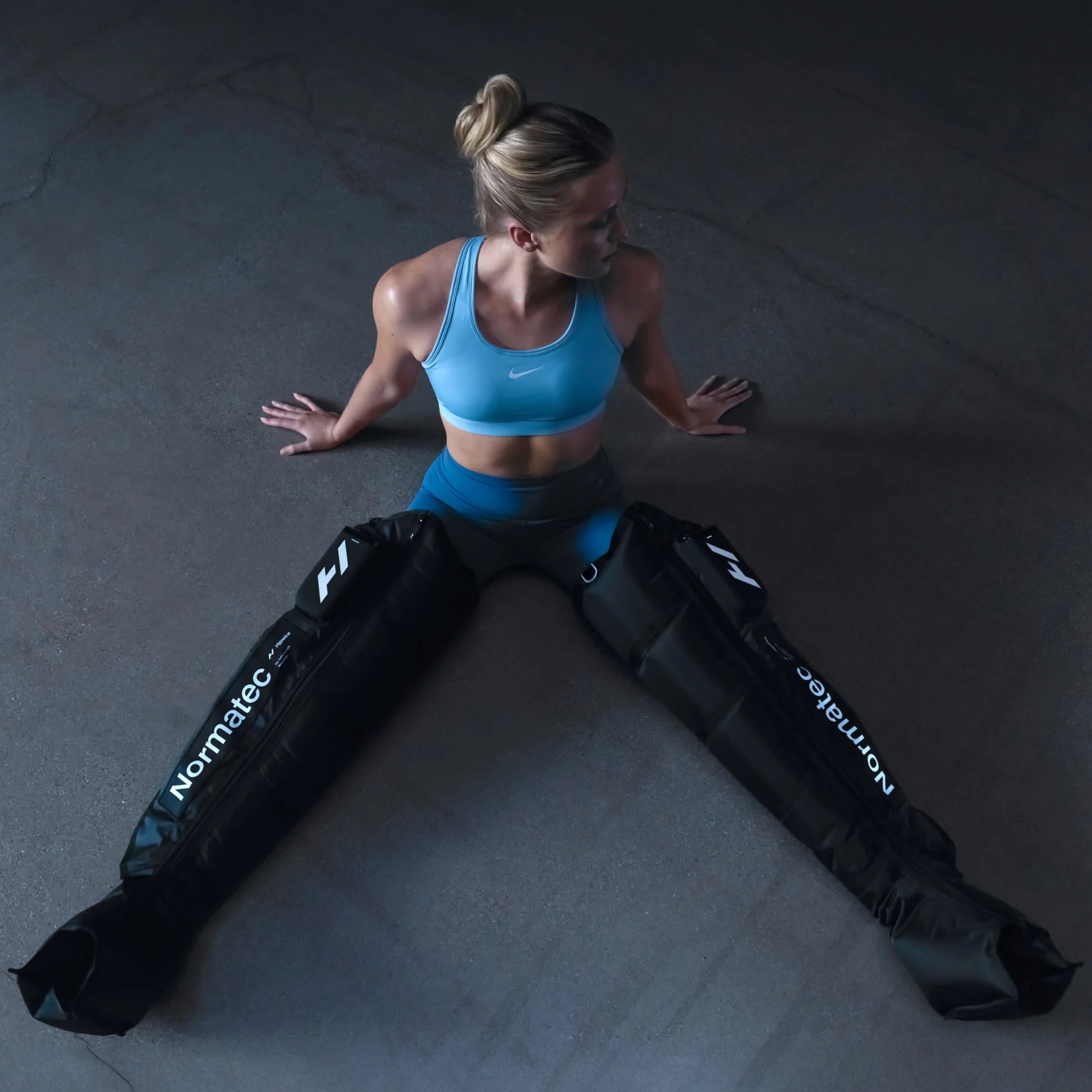
Different recovery formats create different practical demands. A circulating cold system introduces a unit, wrap and preparation process. A freezer-prepared sleeve introduces another kind of preparation. A powered compression garment brings its own fitting and charging questions.
Those differences are visible in Game Ready, Freeze Sleeve and Normatec product information. They are useful material for a comparison because the buyer can understand what ownership would require.
The evaluation should include the intended user, the available help and the place of use. Ease for a trained demonstrator does not settle every user's experience.

Ask the Canadian questions early
How will the applicable product information be supplied? What Canadian regulatory requirements apply to the actual device and arrangement? Where do technical and service questions go?
Also ask which terms can be confirmed and which depend on assessment or the manufacturer. Transport, accessories and language can affect whether an otherwise interesting product fits a particular Canadian setting.
These questions should shape the proposal before a buyer has to discover the answers through a problem.
Make the mission visible in the evaluation
Our SmartCuffs announcement described a mission of connecting science with real-world application. I think that connection should be visible in the buying conversation: the explanation should follow the research through to the actual product, the person and the setting.
For a clinic, I would want to understand how the equipment fits its existing service. For a home user, I would ask what they can prepare and operate with the help available. Those are different tests of a product's usefulness, even when both buyers are interested in the same technology.
Leave room for a different answer
Experience should make the evaluation more precise and more open to challenge. Familiarity with a category is useful, but it should not become a substitute for checking a claim or reconsidering a recommendation.
I want a supplier conversation to make alternatives visible. Sometimes the additional capability matters. Sometimes the current approach or a simpler appropriate option fits better.
That is the judgment I want HealFaster Canada to bring to recovery technology: explain the need, examine the evidence and follow the product into the user's real day. A worthwhile product should have a case that becomes clearer when someone asks how it will actually be used.